
Tooth Gems in Singapore | Cosmetic Dental Gems
Cosmetic gems, professionally applied — Add a touch of sparkle that makes your smile stand out and reflects your personal style.
- Price: From $150 to $200 per gem
- Treatment Duration: A single visit of about 10 to 30 minutes
What Are Tooth Gems?
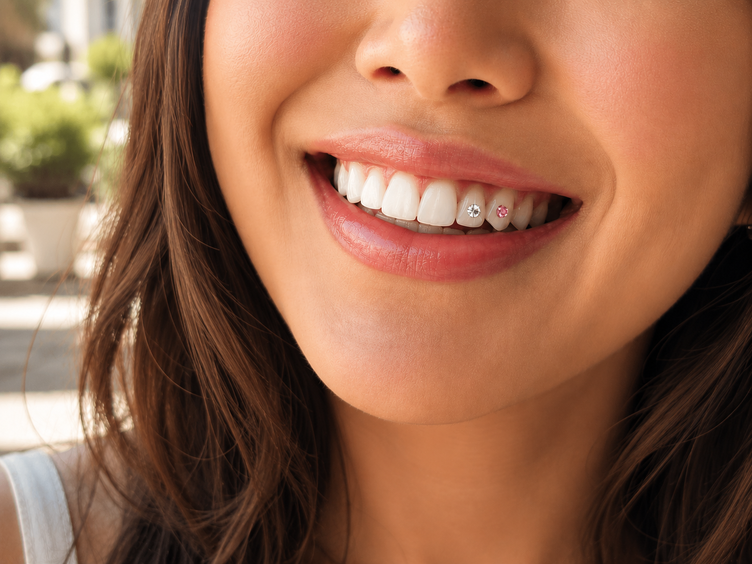
Tooth gems are small decorative jewels bonded onto the outer surface of a tooth
using dental adhesive. They sit on top of the enamel without drilling or altering the tooth,
which makes the procedure non-invasive when applied by a dentist. The gems are usually placed on
the upper front teeth, where they catch the light when you smile or speak.
Tooth gems are purely decorative. They do not strengthen, whiten, or improve tooth function.
While the gem itself can be removed without removing enamel, the bonding process creates
permanent microscopic changes to the enamel surface that are typically not visible to the naked
eye.
Many people choose tooth gems for self-expression, special occasions, or a subtle style update
between dental visits. They have become a popular way to add a personal touch to your smile
without committing to permanent treatments such as veneers or
crowns.
Types of Tooth Gems
Tooth gems come in different materials, shapes, and finishes, with the three most common categories
being dental crystals, gold or white gold charms, and diamonds.
The right choice depends on your budget, the look you want, and how long you would like the gem to stay
on. Here is a quick comparison of the most common options.
| Type | Description | Typical Lifespan | Considerations |
|---|---|---|---|
| Dental crystals | Small clear or coloured glass crystals, such as those made by Swarovski or Preciosa; the most widely available option. | 6 months to 2 years | Affordable; available in a wide range of colours and shapes. |
| Gold or white gold charms | Solid 18K gold or white gold pieces in shapes such as hearts, stars, or moons. | 1 to 3 years | Higher cost; denser surface tends to hold the bond well. |
| Diamond gems | Real diamonds, usually small in size and set in a precious metal backing. | 1 to 3 years | Premium price point; subtle natural sparkle; availability varies by clinic. |
How Tooth Gems Are Applied
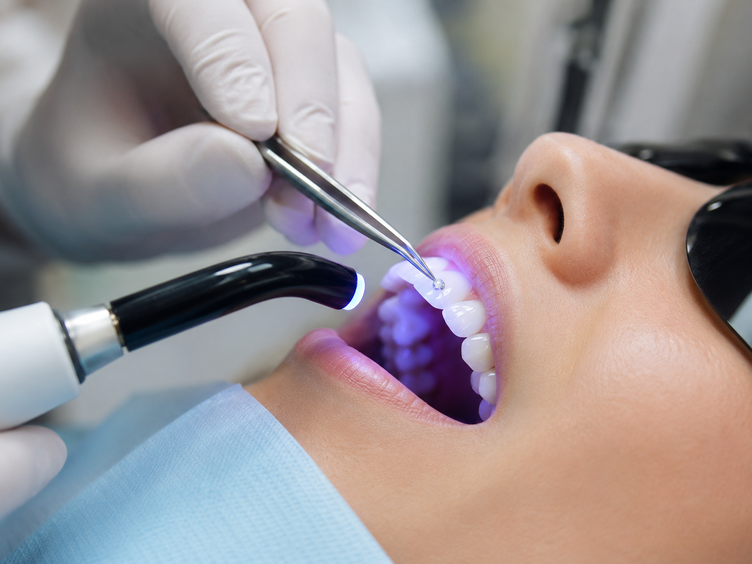
Tooth gem application is a short, typically painless procedure that takes about 10 to 30
minutes and does not require anaesthesia.
The bonding technique is similar to the process used for small dental fillings, using a mild etching gel and a light-cured
resin to hold the gem in place.
- Cleaning and isolation – The tooth surface is cleaned, polished, and isolated to keep it dry throughout the procedure.
- Etching and bonding – A phosphoric acid gel is briefly applied to prepare the enamel for better adhesion, then rinsed off before a bonding agent is brushed on.
- Placement and curing – The gem is set onto the tooth with a small amount of composite resin, then hardened with a curing light.
- Polishing – Any excess resin around the gem is smoothed away so the edges feel clean and do not trap food.
How Long Do Tooth Gems Last?
Tooth gems typically last between 6 months and a few years, depending on the gem type,
the placement, and your daily habits. Most professionally applied crystals stay on for at least 6 months
to a year, while gold or diamond gems with a wider bonding surface tend to last longer, up to 3 years.
Several daily habits can shorten gem lifespan, including chewing on hard foods or ice, biting
fingernails, snapping floss against the gem, and grinding your teeth at night (bruxism).
Who Is a Suitable Candidate for Tooth Gems?
Tooth gems suit people with healthy teeth and good oral hygiene who want a low-commitment way to personalise their smile.
Because no enamel is removed during application, the treatment is reversible, which appeals to
those trying the look for the first time or anyone who only wants it temporarily.
Tooth gems may not be suitable if you have:
- Active tooth decay or untreated cavities on or near the chosen tooth.
- Inflamed or bleeding gums, or signs of gum disease.
- Heavy plaque build-up or inconsistent oral hygiene.
- Existing veneers, crowns, or composite bonding on the chosen tooth, as the bonding surface behaves differently from natural enamel.
- A history of teeth grinding, which can dislodge the gem.
WhatsApp Us Now
Tooth Gems: Pros and Cons
Tooth gems offer a reversible, relatively affordable way to personalise your smile, but they also come with trade-offs around longevity and maintenance. The table below summarises the practical points to weigh up.
| Pros | Cons |
|---|---|
| Non-invasive – No drilling or enamel removal is required. | Temporary – Gems eventually fall off and need reapplication if you want to maintain the look. |
| Reversible – The gem can be removed without changing the underlying tooth structure. | Plaque trap – Edges around the gem can collect food and bacteria if brushing is not thorough. |
| Quick procedure – Done in a single short visit. | Limited placement – Suitable only on natural, healthy teeth without existing dental work. |
| Comfortable – Typically painless, with no anaesthesia or recovery time required. | Can stain – The bonded resin around the gem may discolour with coffee, tea, or smoking. |
| Customisable – Wide choice of crystal colours, gold designs, and shapes. | Not covered by insurance – Tooth gems are an elective cosmetic treatment. |
Are Tooth Gems Safe? Potential Risks and Side Effects
Tooth gems are widely considered low-risk when applied professionally. The procedure itself does not damage the tooth, but there are a few potential side effects to be aware of:
- Mild tooth sensitivity – Some patients notice short-lived sensitivity to cold or hot foods in the first few days after application.
- Faint etching outline – A barely visible mark on the enamel may remain after the gem falls off, though it is usually not noticeable to others.
- Gem detachment and swallowing – A loose gem can come off during eating and be swallowed. The risk of harm from swallowing a small gem is low, but a new appointment will be needed for reapplication.
DIY tooth gem kits sold online may carry higher risks. The adhesives included are often not designed for use on enamel, can damage the tooth surface, and may trap bacteria at the bonding site, leading to decay or gum irritation.
Cost of Tooth Gems in Singapore
At True Dental Studio, we offer tooth gems in addition to other cosmetic dentistry services, with our pricing as follows.
| Treatment | Price* |
|---|---|
| Consultation | $27.25 to $65.40 |
| Tooth Gem | From $150 to $200 |
| Dental Bonding | From $218 to $327 |
| Composite Veneer | From $327 |
| Porcelain Veneer | From $1,090 |
| Dental Crown | From $1,199 to $1,635 |
*Prices are NETT and inclusive of GST.
Tooth gems are an elective cosmetic procedure and are not covered by dental insurance or Medisave.
Caring for Your Tooth Gems
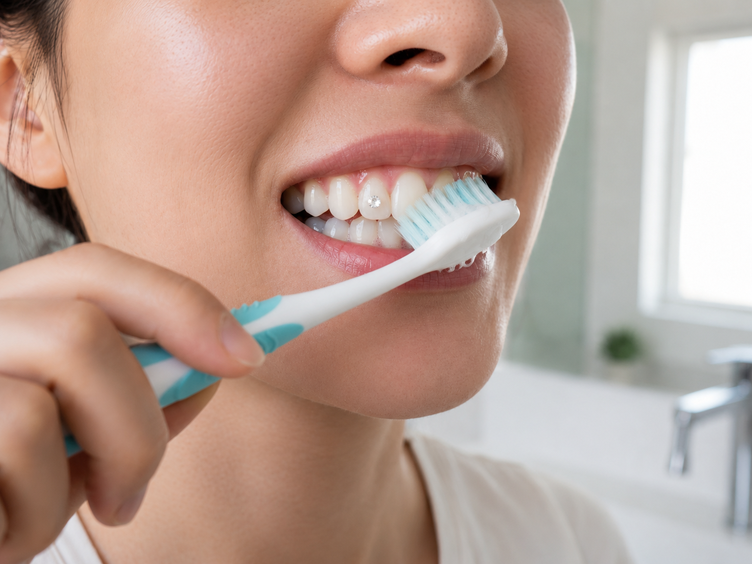
Good aftercare keeps tooth gems in place longer and protects the surrounding enamel. The first 24 hours are critical, as the bond settles fully during this period.
- Avoid hard, crunchy, or sticky foods for the first day after application.
- Brush with a soft-bristle toothbrush using gentle, circular motions around the gem.
- Floss carefully and avoid pulling the floss directly across the gem.
- Keep up with your routine dental cleanings every 6 months so your dentist can check the gem is still secure.
- Skip whitening or highly abrasive toothpastes, as these can scratch the bonded surface and dull the gem.
- Avoid biting fingernails, pen caps, or other hard objects with the gemmed tooth.
- Wear a nightguard if you grind your teeth, as bruxism can dislodge the gem.
If a gem falls off, it cannot be glued back at home. Book an appointment with your dentist so the tooth surface can be properly cleaned and the gem reapplied.
Tooth gems are a quick, flexible way to add a personal touch to your smile without committing to permanent work like veneers. They suit anyone looking to express themselves, mark a special occasion, or refresh their look.

Dr Tay Chih Kien

Over 30% of adults feel anxious about dental visits.
Dental visits can indeed be stressful, but at True Dental Studio, we are gentle and patient, committed to helping you feel at ease during your visit.
Dr Tay Chih Kien
Book a Consultation for Tooth Gems
Book Tooth Gems Appointment
Book NowEnquire More Through Email
Email Us NowEnquire More Through WhatsApp
WhatsApp Us NowWhy Choose True Dental Studio?
Friendly Dentist and Team
We treat every patient to the best of our ability. This is why families across Singapore have continued their dental care with us for years.
Minimal Discomfort
We are committed to keeping our patients as comfortable as possible, minimising any discomfort during treatment.
Affordable Treatments
We believe in pricing quality treatments at a competitive rate. We are transparent and upfront with our treatment costs.
Our Smile Scorecard
Frequently Asked Questions
Tooth gems do not typically damage enamel when applied professionally. The bonding process uses an etching gel similar to that used for small dental fillings, which only lightly prepares the enamel surface without removing it. Once the gem is removed, a faint outline may occasionally remain, though this is usually not visible to others and does not weaken the tooth.
At True Dental Studio, tooth gems start from $150 per gem, with pricing depending on the gem chosen and the number of teeth treated. All prices are NETT and inclusive of GST. As an elective cosmetic treatment, tooth gems are not claimable under Medisave or dental insurance. Contact us for further details on pricing and gem options.
Yes, tooth gems can be removed without damaging the underlying tooth. The gem is gently lifted off and the remaining bonding resin is polished away, restoring the enamel to its natural appearance. A barely visible etching mark may remain, but it is usually unnoticeable and does not affect tooth function or structure. Removal at home is not recommended, as it may scratch or chip the enamel.
Tooth gems are made from a range of materials, with the three most common being dental crystals, gold or white gold charms, and diamonds. Dental crystals, such as those made by Swarovski or Preciosa, are the most widely available option. Gold and white gold charms are usually crafted from solid 18K gold, while diamond gems use real diamonds set in a precious metal backing.
Tooth gems typically last between 6 months and a few years, depending on the gem type, the placement, and your daily habits. Most professionally applied crystals stay on for 6 months to 2 years, while gold or diamond gems with a wider bonding surface tend to last longer, up to 3 years.
Tooth gem application is typically painless and does not require anaesthesia. The procedure involves only the outer surface of the enamel, with no drilling or pressure on the nerve. Most people describe the experience as similar to a routine dental polish. Some patients notice mild sensitivity to hot or cold foods in the first few days after application, which usually settles on its own.
Tooth gems are generally not recommended for veneers, crowns, or composite bonding. The bonding adhesive used for tooth gems is designed to adhere to natural enamel, and the bond is less reliable on artificial dental surfaces. Placement on restored teeth can lead to the gem falling off sooner or damaging the existing restoration. If you are considering a gem, consult your dentist who can determine whether it is suitable for you.
Tooth gems are not recommended during active orthodontic treatment. With braces, the gem can interfere with bracket placement and oral hygiene. With Invisalign, the gem may prevent the aligners from fitting snugly over the tooth, which can affect tooth movement.
DIY tooth gem kits may carry higher risks than professional application. The adhesives included may not be designed for use on enamel, which can damage the tooth surface and trap bacteria at the bonding site, leading to decay or gum irritation. Without proper isolation and tools, the gem is also more likely to fall off quickly. For a more reliable result, consider visiting a dentist for professional application.
If your tooth gem falls off, do not attempt to glue it back at home, as household adhesives are not designed for use inside the mouth. Book an appointment with your dentist for reapplication so the tooth surface can be properly cleaned and prepared. If the gem is swallowed, the risk of harm is low, as it typically passes through the digestive system without issue. If you experience throat pain, chest discomfort, or stomach symptoms afterwards, see a doctor promptly.
Tooth gems are usually not recommended for young children, as their teeth are still developing and primary teeth will eventually fall out. For teenagers with fully erupted permanent teeth and good oral hygiene, tooth gems may be considered, though parental consent and a dentist’s assessment are required. The tooth must be healthy, free of decay, and not undergoing orthodontic treatment for the gem to be suitable.
Tooth gems can fall off sooner than expected due to a combination of bond strength, placement, and daily habits. Common causes include chewing on hard foods, biting fingernails, teeth grinding (bruxism), and brushing or flossing too aggressively around the gem. The gem type also plays a role, as smaller gems with less bonding surface tend to detach earlier. Following aftercare advice by your dentist can help your gem stay in place for longer.
Tooth gems do not directly cause cavities, but they can increase the risk if oral hygiene is not maintained. The edges around the gem can collect plaque and food particles, which over time may contribute to decay or gum inflammation. Brushing gently around the gem, flossing carefully, and keeping up with routine dental cleanings every 6 months can help reduce this risk.
You can eat shortly after getting a tooth gem, though it is best to wait at least an hour for the bond to settle. For the first 24 hours, stick to soft foods and avoid anything hard, crunchy, or sticky that could dislodge the gem. Hot drinks like coffee or tea are also worth limiting in the first day, as they can stress the fresh bond and stain the surrounding resin. It is best to follow your dentist’s aftercare advice closely to help your gem stay in place for longer.
Tooth gems are widely considered low-risk for your teeth when applied professionally. The procedure does not involve drilling, anaesthesia, or enamel removal, and the bonding materials used are designed for use inside the mouth. Potential side effects include mild sensitivity, plaque build-up around the gem, and a faint etching mark on the enamel after removal. Good oral hygiene helps reduce these risks and keeps the surrounding tooth healthy.
Tooth gems are commonly offered as a non-invasive cosmetic treatment in dental practice, though views vary among dentists. Many consider them an acceptable option for patients with healthy teeth who want a reversible way to personalise their smile. Others may caution against them for patients with active dental issues, existing restorations, or a history of bruxism.
Tooth gems in Singapore are typically available at dental clinics offering cosmetic dentistry services. At True Dental Studio, we offer professional tooth gem application from $150 per gem, with a short consultation to assess suitability and discuss the gem options available before treatment.
The main downsides of tooth gems are their temporary nature and the extra care required to maintain them. Gems typically last between 6 months and 3 years before falling off, and the area around the gem can collect plaque if brushing is not thorough. The bonded resin may also discolour with coffee, tea, or smoking. Tooth gems are an elective cosmetic treatment and are not covered by dental insurance or Medisave. For many, the trade-offs are worth it for a reversible, low-commitment way to personalise the smile.
At True Dental Studio, one tooth gem starts from $150, with pricing depending on the gem chosen. All prices are NETT and inclusive of GST. As an elective cosmetic treatment, tooth gems are not claimable under Medisave or dental insurance. Contact us for further details on pricing and gem options.
Yes, tooth gems can be removed by a dentist without altering the underlying tooth. The gem is gently lifted off and the remaining bonding resin is polished away, restoring the enamel to its natural appearance. A faint etching outline may occasionally remain, though it is usually not noticeable to others. Removing the gem at home is not recommended, as household tools can scratch or chip the enamel.
Tooth gems may not be suitable for people with active tooth decay, untreated cavities, gum disease, or inflamed gums. They are also not recommended for those with heavy plaque build-up, inconsistent oral hygiene, or a history of teeth grinding, which can dislodge the gem. Existing veneers, crowns, or composite bonding on the chosen tooth also reduce bonding reliability, as these surfaces behave differently from natural enamel. It is best to consult a dentist who can assess your suitability.
You can eat normally with tooth gems most of the time, with a few exceptions to help the gem last longer. For the first 24 hours after application, soft foods are recommended while the bond settles. After that, avoid biting hard or crunchy foods directly on the gemmed tooth and limit sticky foods that may pull the gem off. Coffee, tea, and smoking can also discolour the bonded resin over time. Always follow your dentist’s aftercare instructions to keep the gem in place for longer.