
Do stained teeth ever make you hold back your smile? You are not alone. Across Singapore and the Asia-Pacific, 94 per cent of people say they wish they could smile freely, and worries about how their teeth look are often behind it.
Many stains come from everyday habits, like your morning coffee or afternoon tea. Others start deeper inside the tooth and need a dentist to treat.
In this guide, we run through what causes tooth stains, how to tackle them at home and in the clinic, and when it is time to see a dentist to get your smile, and your confidence, back.

What Causes Stained Teeth?
Tooth stains can develop due to external substances, internal changes within the tooth, or the natural ageing process.
Common contributors to stained teeth include:
- Staining foods and beverages such as tea, coffee, red wine, cola, soy sauce, curry, and berries contain pigments and acids that cling to enamel and darken the tooth surface.
- Tobacco use (smoking or chewing) causes yellow or brown stains due to the build-up of nicotine and tar on enamel.
- Ageing leads to enamel thinning, which makes the underlying yellowish dentine more visible and teeth appear darker or duller.
- Inadequate brushing and flossing allows plaque and tartar to build up, trapping staining compounds and worsening discolouration.
- Certain mouth rinses (such as chlorhexidine) can cause brown staining when used over extended periods, despite their role in managing gum conditions.
- Iron supplements or multivitamins may result in dark surface stains, particularly in children or with long-term use.
- Medications such as tetracycline (especially during childhood) may cause intrinsic staining that affects tooth colour from within.
- Genetics can influence your susceptibility to staining. Naturally thinner enamel, darker dentine, or more porous tooth surfaces may increase the likelihood of discolouration.
Types of Stained Teeth
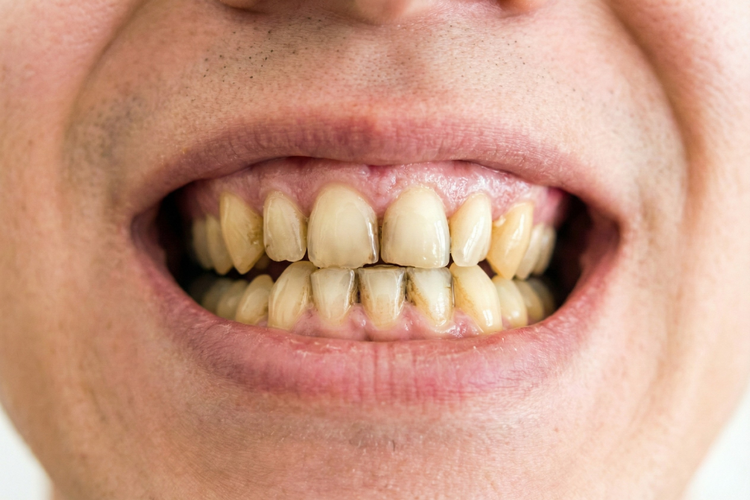
Teeth stains are typically categorised into two main types: extrinsic and intrinsic, depending on their location and how difficult they are to remove.
- Extrinsic stains affect the outer enamel surface and often appear yellow, brown, or black. They usually respond well to over-the-counter products like whitening toothpaste or strips, and can also be removed through professional cleaning.
- Intrinsic stains occur within the tooth structure and typically appear grey, blue, or brown. As they lie deeper, they are less responsive to surface whitening and often require professional whitening treatment.
Are Some Tooth Stains Permanent?
Some intrinsic tooth stains may not be completely removable, particularly when the discolouration lies deep within the tooth structure. Stains caused by medication, trauma, or developmental conditions may not respond to professional whitening treatment and often require cosmetic masking, such as veneers or bonding.
WhatsApp Us Now
How to Remove Stains from Teeth at Home?
Some surface-level tooth stains can be improved with home-based methods, especially if caused by dietary habits, smoking, or poor oral hygiene. While these methods may help reduce discolouration, they mostly work on extrinsic stains and results vary between individuals.
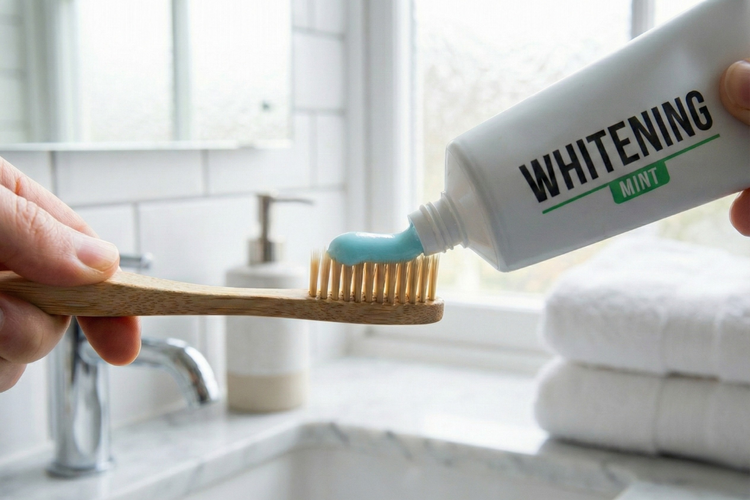
Whitening Toothpaste
What it is: Whitening toothpaste is a readily available option formulated to remove surface stains during daily brushing.
How it works: These toothpastes use mild abrasives and sometimes chemical agents like hydrogen peroxide to polish enamel and reduce visible staining.
What to keep in mind: Whitening toothpaste does not lighten the natural shade of your teeth. Some formulas may increase tooth sensitivity with frequent use, so it's best to choose a dentist-approved brand and follow usage guidelines.
Whitening Strips
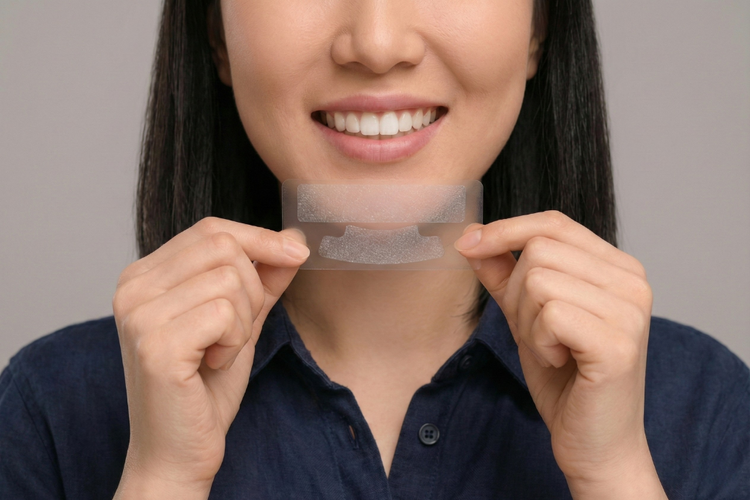
What it is: Whitening strips are thin, flexible plastic strips coated with a peroxide-based gel, available over the counter.
How it works: When applied to the teeth for a set period each day, the peroxide penetrates the enamel to break down stain molecules. Results may appear after a few days and improve with continued use over one to two weeks.
What to keep in mind: Whitening strips may cause temporary sensitivity or gum irritation. They are also not suitable for people with restorations such as veneers or crowns on visible teeth, as these will not whiten.
Baking Soda
What it is: Baking soda (sodium bicarbonate) is a common household item sometimes used in DIY oral care for stain removal.
How it works: Its mild abrasiveness can help scrub away surface-level discolouration and neutralise acids that contribute to enamel erosion.
What to keep in mind: Brushing with baking soda too frequently or applying too much pressure can gradually wear down enamel, increasing sensitivity and the risk of long-term damage. It should be used only occasionally and never as a substitute for fluoride toothpaste, which is essential for protecting against decay.
When Should You See a Dentist for Stain Removal?
You should see a dentist if stains do not improve with over-the-counter whitening, or if the discolouration is localised, persistent, or worsening. A dental professional can assess whether the stain is extrinsic, intrinsic, or related to decay or damaged restorations.
Other signs to consult a dentist include:
- Visible plaque or tartar build-up that traps stains
- Brown or black stains between teeth that do not improve with brushing
- White spots that have recently appeared or changed in appearance
- Grey or darkened teeth following trauma or root canal treatment
- Staining accompanied by sensitivity, pain, or changes in tooth texture
What Are the Professional Options to Remove Tooth Stains?
Professional dental treatments to remove or improve the appearance of stained teeth depend on the type and underlying cause:
| Treatment | How It Works | When It's Typically Used |
|---|---|---|
| Preventive and Surface Cleaning | ||
| Scaling and Polishing | Removes plaque, tartar, and surface stains using ultrasonic and hand instruments. | Performed during routine cleanings to manage extrinsic stains and maintain oral hygiene. |
| Professional Whitening Options | ||
| Take-home Whitening Kits | Provides custom-fitted trays and peroxide gels for supervised use at home over a prescribed period. | Recommended for those seeking gradual whitening with professional oversight. |
| In-clinic Teeth Whitening | Applies high-concentration peroxide gels under controlled conditions, often activated by an LED light, to oxidise stains. | Suitable for general extrinsic discolouration and mild intrinsic staining. |
| Internal Bleaching | Places a whitening material inside the tooth to lighten it from within. | Used for non-vital teeth that have darkened after trauma or root canal treatment. |
| Cosmetic Restoration Options | ||
| Composite Bonding | Applies tooth-coloured resin to cover discolouration or reshape enamel. | Suitable for mild to moderate localised discolouration or minor enamel defects affecting part of a tooth. |
| Porcelain Veneers | Bonds custom-made ceramic shells to the front of teeth to mask deeper stains. | Used for deeper or widespread intrinsic stains where whitening is ineffective. |
How Much Does Stained Teeth Treatment Cost?
At True Dental Studio, we offer a range of aesthetic dentistry treatments to help maintain your teeth's whiteness or address deeper stains.
| Treatment | Price* |
|---|---|
| Consultation | $27.25 to $65.40 |
| Preventive and Surface Cleaning | |
| Removal of Dental Stains | From $49.05 |
| Professional Whitening Options | |
| Take-Home Whitening Kit (Tray + Gel) | $499 |
| Whitening Gel Only | $218 |
| In-Clinic (Philips Zoom) Whitening Treatment | $999 |
| In-Clinic (Philips Zoom) + Take-Home Whitening Kit | $1,299 |
| Cosmetic Restoration Options | |
| Composite Resin Bonding | From $218 to $327 |
| Composite Veneer | From $327 |
| Porcelain Veneer | From $1090 |
*Prices are NETT and inclusive of GST.
How Can You Prevent Tooth Stains?
Prevention focuses on limiting exposure to staining agents and maintaining good oral hygiene. While some discolouration may be unavoidable due to ageing or medication, many cases can be reduced or delayed with the right habits.
Helpful habits include:
- Brushing twice daily and flossing daily to remove plaque and surface debris
- Scheduling regular dental cleanings
- Avoiding tobacco products
- Rinsing your mouth after consuming coffee, tea, wine, or coloured sauces
- Using a straw for dark beverages to minimise contact with teeth
Find a Teeth Stain Removal Dentist
Book Teeth Whitening Appointment
Book NowEnquire More Through Email
Email Us NowEnquire More Through WhatsApp
WhatsApp Us Now
Over 30% of adults feel anxious about dental visits.
Dental visits can indeed be stressful, but at True Dental Studio, we are gentle and patient, committed to helping you feel at ease during your visit.

Dr Tay Chih Kien
Why Choose True Dental Studio?
Friendly Dentist and Team
We treat every patient to the best of our ability. This is why families across Singapore have continued their dental care with us for years.
Minimal Discomfort
We are committed to keeping our patients as comfortable as possible, minimising any discomfort during treatment.
Affordable Treatments
We believe in pricing quality treatments at a competitive rate. We are transparent and upfront with our treatment costs.
Our Smile Scorecard
Frequently Asked Questions
Yes, coffee stains on teeth are typically extrinsic and can often be reduced with whitening toothpaste, professional cleaning, or whitening treatments. These stains form when pigments in coffee adhere to enamel over time. While daily brushing helps limit buildup, more persistent discolouration may require dental intervention such as scaling, polishing, or professional whitening depending on severity and enamel condition.
To reduce tea-related staining, drink through a straw when possible, rinse your mouth with water afterward, and maintain good oral hygiene. Brushing with fluoride toothpaste twice a day, flossing daily, and attending regular dental cleanings can also help minimise stain accumulation. Lighter teas may stain less than darker ones, but all types of tea contain tannins that can cling to enamel.
Chocolate may contribute to staining, especially darker varieties, but it is less likely to cause noticeable tooth discolouration compared to drinks like tea or coffee. However, frequent consumption without proper oral hygiene can allow staining compounds and plaque to build up. Rinsing your mouth after eating and regular brushing can help reduce the potential for stain formation over time.
Yes, green tea can stain teeth due to its tannin content, which allows pigments to bind to enamel and cause a yellowish or greyish tint. While green tea may be perceived as lighter than black tea, it still has the potential to discolour teeth with frequent consumption. Brushing, flossing, and rinsing after drinking tea can help reduce stain buildup and maintain enamel clarity.
White wine may not stain teeth directly but can contribute to discolouration by softening enamel and increasing the tooth's susceptibility to pigments from other foods. Its acidity can also erode enamel over time, making it easier for stains to set in. Rinsing with water after drinking and maintaining good oral hygiene can help minimise this effect.
Brown stains may improve or be removed depending on their cause. Surface stains from foods, drinks, or smoking often respond to whitening toothpaste, professional cleaning, or in-clinic whitening. Deeper stains caused by decay, trauma, or medication may not fully respond and could require cosmetic treatments like bonding or veneers. A dentist can determine the stain type and recommend the most appropriate treatment for your specific situation.
Scraping stains off your teeth at home is not recommended, as using improper tools or force can damage enamel or irritate your gums. Although plaque scrapers are sold online, they are not a replacement for professional cleaning. Dentists use specialised instruments to remove stains without harming tooth surfaces. If you're concerned about discolouration, it's best to consult a dentist for appropriate care rather than attempting removal on your own.
Stained teeth may become visibly whiter with appropriate treatment, depending on the type and severity of discolouration. Extrinsic stains from food, drink, or smoking often improve with whitening toothpaste, professional cleaning, or peroxide-based whitening. Intrinsic stains within the tooth may require in-clinic whitening, dentist-prescribed take-home kits, or cosmetic treatments like veneers. Whitening results vary between individuals, and complete reversal of staining is not always possible.
Old stains can sometimes be reduced or removed depending on their cause and how deep they are. Surface stains may improve with whitening toothpaste, professional cleaning, or peroxide-based whitening. Deeper stains from trauma, fluorosis, or certain medications may require in-clinic whitening, internal bleaching, bonding, or veneers. A dentist can assess the stain type and suggest the most appropriate treatment based on your individual needs.
There is no single "best" stain remover, as effectiveness depends on the stain type and individual factors. For mild surface stains, whitening toothpaste or strips may help. Persistent or deeper stains may require professional treatments like in-clinic whitening, internal bleaching, or cosmetic restorations. A dentist can assess your specific case and recommend options that suit your enamel condition and stain severity.
Dentists remove stains using methods tailored to the stain type. Scaling and polishing target surface stains and tartar. Whitening treatments, either in-clinic or take-home, may lighten more noticeable discolouration. Deeper or internal stains may require treatments such as internal bleaching, bonding, or veneers. The approach depends on whether the stain is on the enamel surface, within the tooth structure, or linked to decay or prior dental work.
Unhealthy teeth may appear yellow, brown, grey, or blotchy and can show signs of decay, such as holes, dark spots, or rough edges. Other indicators include visible plaque or tartar build-up, gum inflammation, sensitivity, pain, or bad breath. While discolouration alone doesn't always signal poor health, these combined signs may suggest underlying issues such as cavities, enamel erosion, or gum disease.
Teeth may stain easily due to factors like diet, smoking, oral hygiene, or naturally thinner enamel. Pigmented or acidic foods and drinks such as coffee, tea, or soy sauce can stick to the tooth surface, especially if brushing is inconsistent. Some people naturally have enamel that is more prone to discolouration, or it may become worn over time. Improving oral care and limiting stain-causing items can help reduce further staining.
Teeth may resist whitening if stains are intrinsic, caused by factors like ageing, trauma, fluorosis, or medication such as tetracycline. Thin enamel that reveals darker dentine can also limit visible whitening. While professional treatments may help with surface stains, deep discolouration often requires alternatives like in-clinic whitening, bonding, or veneers. A dentist can assess the underlying cause and recommend suitable options.
Teeth often yellow with age as enamel gradually thins, revealing more of the underlying yellowish dentine. Years of exposure to staining foods, drinks, or habits like smoking also contribute to the discolouration. Additionally, microscopic cracks and wear in the enamel can trap stains more easily over time. While this change is natural, maintaining good oral hygiene and limiting stain exposure can help reduce the degree of yellowing.
While some at-home products claim to polish teeth, they generally do not match the safety or effectiveness of professional polishing. DIY methods using abrasive materials like baking soda may help remove surface stains but risk enamel wear if overused. Professional dental polishing during check-ups is designed to safely remove plaque, tartar, and superficial discolouration without damaging tooth surfaces.
Widely circulated natural methods include brushing occasionally with baking soda, oil pulling with coconut oil, and rinsing with water after consuming staining foods. However, evidence supporting these remedies is limited, and improper use may harm enamel. These methods may help with mild surface stains but should not replace fluoride toothpaste or routine dental care. Deeper or persistent stains usually require professional evaluation and treatment.