
Oral and Maxillofacial Surgery Singapore
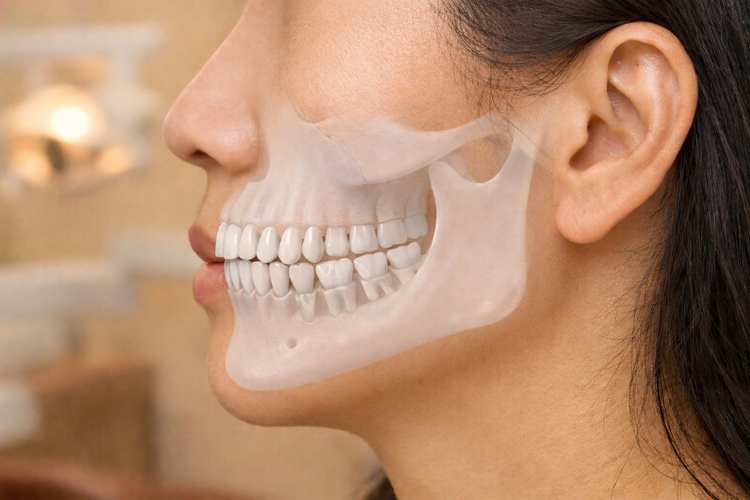
Surgical care for complex dental conditions — From impacted wisdom teeth to bone grafting and cyst removal, our surgeon treats a range of teeth, jaw, and gum conditions.
- Price & Treatment Duration: Varies by procedure
What Is Oral and Maxillofacial Surgery?
Oral and maxillofacial surgery is a specialised branch of dentistry that diagnoses and surgically treats conditions affecting the mouth, jaws, teeth, gums, and related structures of the face and neck.
It involves procedures that go beyond everyday dentistry: taking out impacted wisdom teeth, placing dental implants, repairing jaw injuries, and dealing with cysts or lesions inside the mouth.
At True Dental Studio, our oral and maxillofacial surgeon works side by side with our general dentists, so your care stays under one roof and, for most surgical needs, you skip the separate referral to a hospital.
Meet Our Oral and Maxillofacial Surgeon
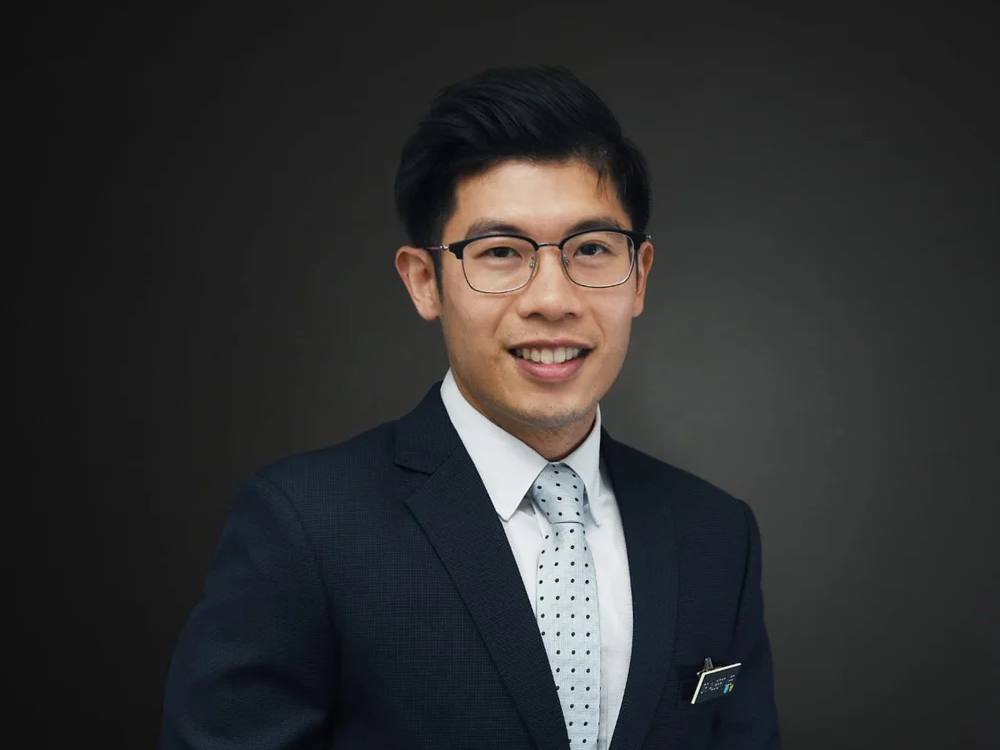

Dr Albert Lee Ming Hsien
M.D.S. (Oral Maxillofacial Surgery) (Singapore)
F.A.M. (Singapore)
Oral Maxillofacial Surgeon
Dr Albert Lee is an Oral and Maxillofacial Surgery Specialist at True Dental Studio with over 13
years of clinical experience. He holds a Bachelor of Dental Surgery and a Master of Dental
Surgery in Oral and Maxillofacial Surgery from the National University of Singapore, and
received full specialist accreditation in 2018.
Dr Lee previously served as a Consultant at the National Dental Centre Singapore (NDCS), where
he headed the Craniofacial and Oral Implantology Programme and was Surgical Chief at the Oral
and Maxillofacial Clinic in Changi General Hospital. He is a Clinical Assistant Professor
appointed by Duke-NUS.
His clinical interests include dental implants, wisdom teeth surgery, and mandibular
reconstruction, and he has published and presented at local and international conferences.
Oral and Maxillofacial Surgeries at True Dental Studio
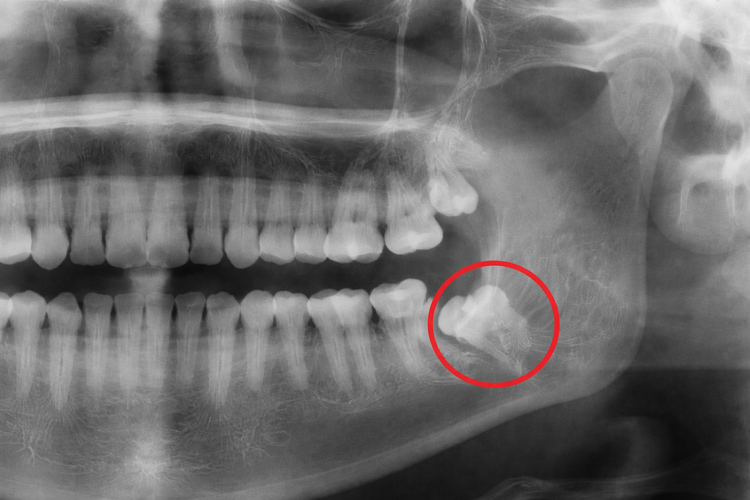
- What it does: Removes impacted wisdom teeth that cannot be extracted through a simple pull.
- What it may involve: A small incision in the gum, removal of surrounding bone if needed, and sectioning of the tooth before extraction.
- When it may be suitable: When a wisdom tooth is causing recurring pain, swelling, infection, or cysts, or is pressing against neighbouring teeth.
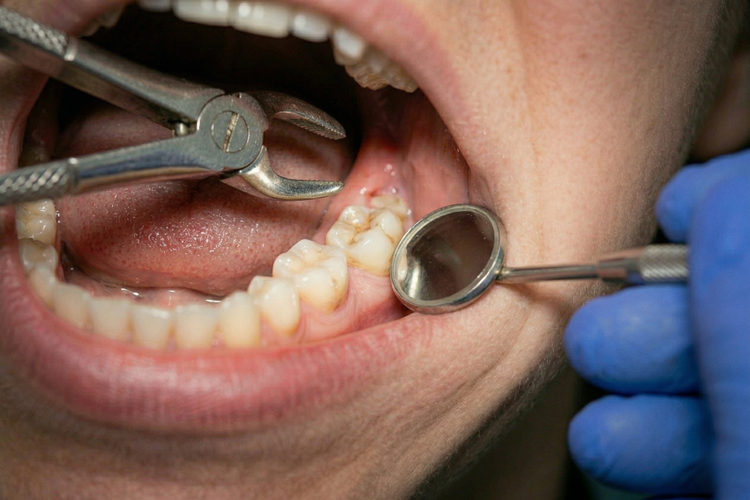
- What it does: Removes a tooth that cannot be taken out through a simple extraction, typically because it is broken, deeply rooted, or not fully erupted.
- What it may involve: An incision in the gum, removal of surrounding bone if needed, and sectioning of the tooth to extract it in pieces.
- When it may be suitable: When a tooth is fractured below the gum line, has curved or fused roots, or is too damaged for a straightforward extraction.
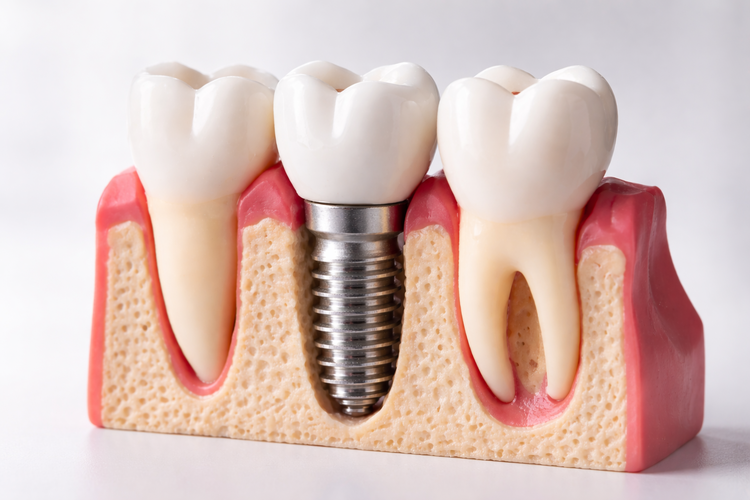
- What it does: Replaces a missing tooth by placing a titanium post into the jawbone to support a crown, bridge, or denture.
- What it may involve: A minor surgical step to position the implant, followed by several months of healing as the bone fuses to the post.
- When it may be suitable: When one or more teeth have been lost due to decay, gum disease, or injury and there is enough healthy bone to support the implant.
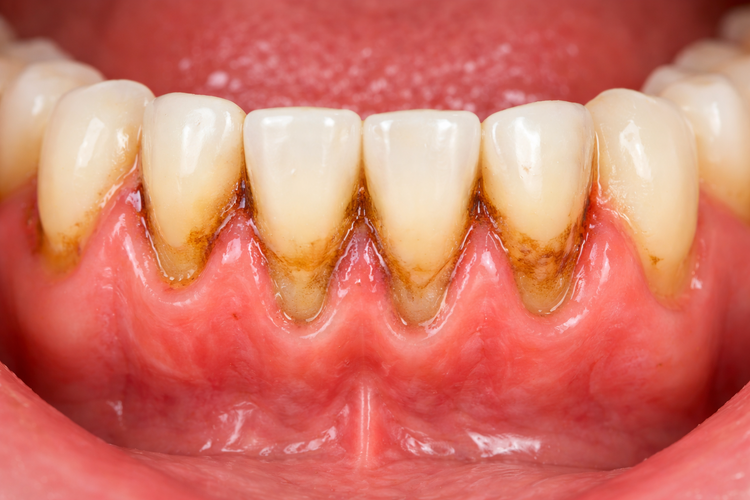
- What it does: Treats moderate to advanced gum disease or gum conditions that cannot be resolved through scaling and polishing alone.
- What it may involve: Flap surgery to clean deep pockets, gingivectomy to remove overgrown tissue, or gum grafting to cover exposed roots.
- When it may be suitable: When there is persistent bleeding, loose teeth, or gums that have pulled away from the teeth despite regular cleaning.
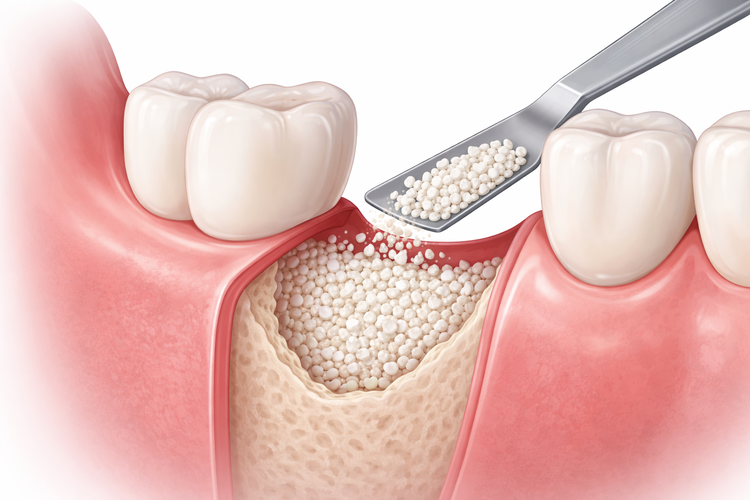
- What it does: Rebuilds bone volume in the jaw where bone has been lost, typically to prepare a site for a future implant.
- What it may involve: Placing grafting material into the deficient area and covering it to allow new bone to form over several months.
- When it may be suitable: When bone loss from long-term tooth loss, advanced gum disease, or trauma has left insufficient bone for an implant.
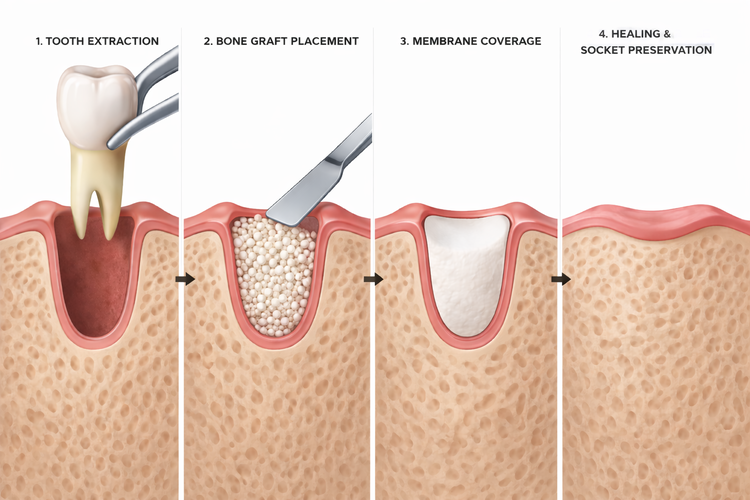
- What it does: Prevents the jawbone from shrinking after a tooth extraction by filling the empty socket with bone graft material.
- What it may involve: Placing bone graft material into the socket and covering it with a membrane immediately after extraction.
- When it may be suitable: When a future implant is planned and the bone at the extraction site needs to be maintained.
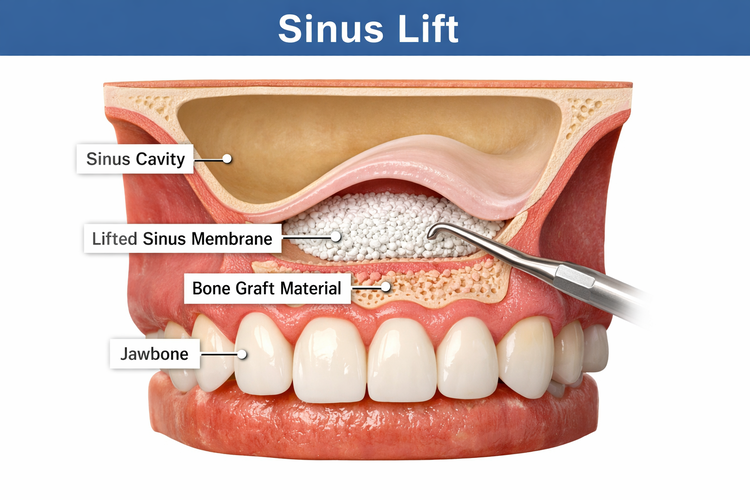
- What it does: Adds bone to the upper back jaw by lifting the sinus membrane to create space for a dental implant.
- What it may involve: Gently raising the sinus floor and packing grafting material into the space beneath.
- When it may be suitable: When an implant is planned in the upper back jaw but there is insufficient bone height due to the position of the sinus.
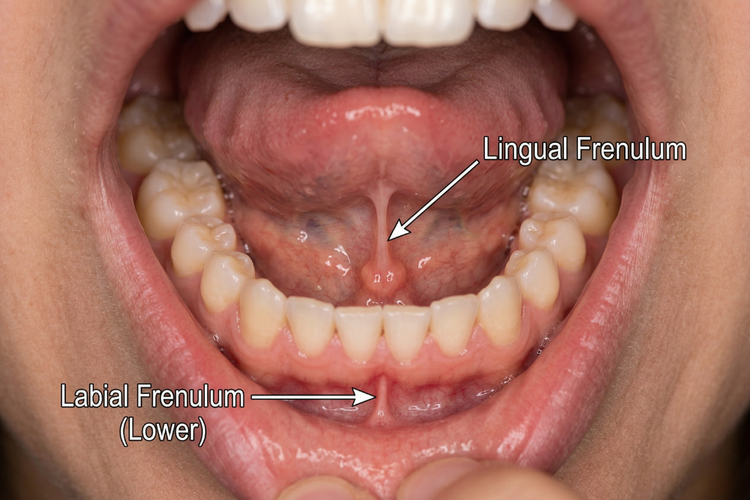
- What it does: Releases or removes a tight band of tissue in the mouth that restricts movement or causes spacing issues.
- What it may involve: A minor procedure to address the tissue under the tongue (tongue-tie) or between the upper lip and front teeth.
- When it may be suitable: When the tissue restricts tongue movement, contributes to a gap between the front teeth, or interferes with denture fit.
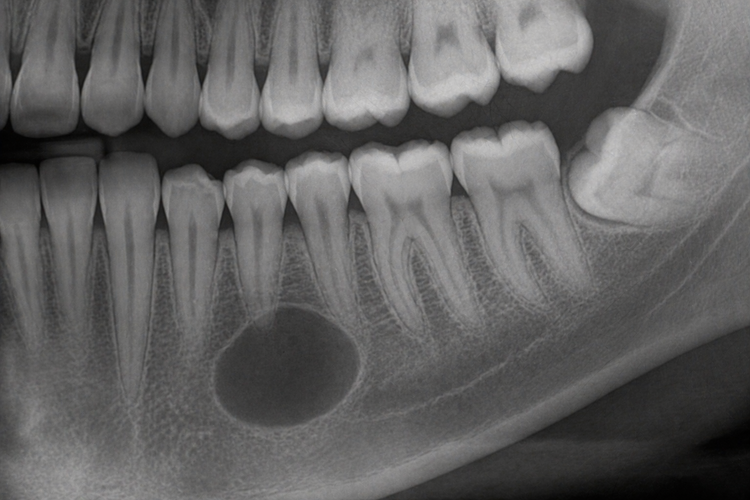
- What it does: Removes a fluid-filled sac that has developed in the jawbone or soft tissues of the mouth.
- What it may involve: Surgical removal of the cyst along with any affected tissue to reduce the chance of recurrence.
- When it may be suitable: When a cyst has formed around a dead (non-vital) tooth, impacted wisdom tooth, or retained tooth fragment.
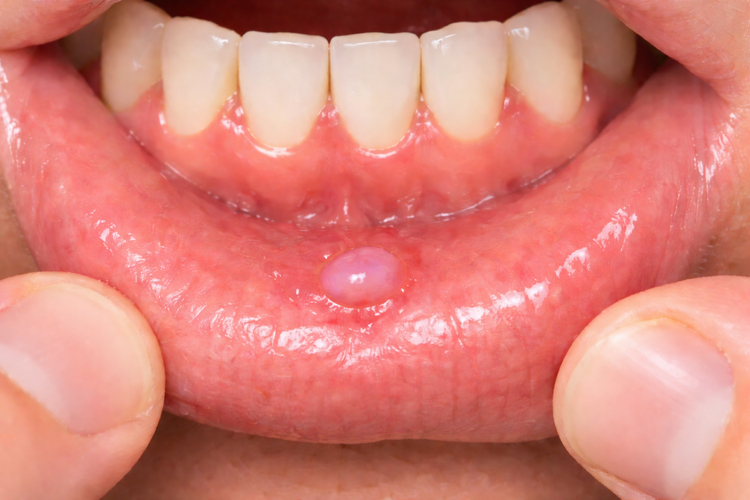
- What it does: Removes a small, soft lump caused by a blocked or damaged minor salivary gland, most often on the inner lower lip.
- What it may involve: Excision of the cyst together with the affected gland to lower the risk of recurrence.
- When it may be suitable: When the lump is recurring or bothersome and interferes with chewing or speech.
For oral and maxillofacial surgeries not listed above, please contact our friendly staff to enquire.
WhatsApp Us Now
What to Expect During Your Surgery
Most oral and maxillofacial surgery procedures at our clinic are carried out under local
anaesthesia, with optional sedation for patients who feel anxious or are undergoing longer
operations. You remain awake but comfortable throughout, and the area being treated is fully numbed.
Before the surgery, our surgeon will review your medical history, and dental X-rays or a cone beam CT
scan are taken where needed. On the day, the procedure typically follows these steps:
-
1Preparing the Site
The surgical area is cleaned and numbed with local anaesthetic.
-
2Performing the Procedure
Our surgeon carries out the planned treatment, which may involve making an incision in the gum, removing tissue or bone, and placing sutures.
-
3Applying Dressing and Review
Gauze is placed to control bleeding, and the surgeon explains what to expect in the coming days.
A typical appointment lasts 30 minutes to 2 hours, depending on the complexity of the case.
Recovery and Aftercare
Recovery depends on the procedure and usually takes a few days to two weeks, though
full bone healing from procedures such as implants or bone grafts can take several months.
Mild swelling, bruising, and discomfort during the first two to three days are typical
and can be managed with prescribed pain relief and cold compresses.
General aftercare typically includes eating soft foods for the first few days, avoiding smoking and
alcohol, keeping the area clean with gentle salt water rinses, resting for 24 to 48 hours, and attending
follow-up visits for suture removal and healing checks. Specific instructions will differ depending on
the procedure, so always follow what your surgeon or clinic advises.
Most patients return to work or school within one to three days, depending on the
procedure.
Potential Side Effects and Risks
Oral and maxillofacial surgery is a commonly performed category of dental treatment, but like any
surgical procedure, it carries some potential side effects and risks. Most are mild and resolve
on their own within a short time.
Potential side effects include:
- Swelling and bruising around the cheek, jaw, or lip, usually peaking 48 to 72 hours after surgery.
- Discomfort or pain at the surgical site, managed with oral pain relief.
- Minor bleeding from the wound during the first 24 hours.
- Jaw stiffness that can make opening the mouth feel tight for a few days.
- Dry socket after a tooth extraction, where the healing blood clot is dislodged too early.
- Temporary numbness of the lip, chin, or tongue, more common with lower jaw procedures near major nerves.
- Infection at the surgical site, uncommon when aftercare instructions are followed.
More serious complications such as lasting nerve injury, sinus communication after upper jaw procedures, or implant failure are uncommon. Your surgeon will go through the specific risks relevant to your procedure during the consultation.
Cost of Oral and Maxillofacial Surgery in Singapore
At True Dental Studio, we provide a range of oral and maxillofacial surgeries, with MediSave-claimable for
approved procedures such as wisdom tooth surgery, dental implants, and bone grafts.
Our prices are as follows:
| Treatment | Price* | MediSave Claimable |
|---|---|---|
| Consultation | $27.25 to $65.40 | ✗ |
| Second Opinion Consultation | $27.25 to $65.40 | ✗ |
| Dental X-Ray | From $35.97 | ✗ |
| Orthopantomogram (OPG) / Lateral Cephalogram | $109 | ✗ |
| 3D Cone Beam CT | From $141.70 | ✗ |
| Oral and Maxillofacial Surgical Procedures | ||
| Tooth Extraction | $49.05 to $272.50 | ✗ |
| Wisdom Tooth Extraction | $163.50 to $436 | ✗ |
| Wisdom Tooth Surgery | $981 to $2,180 | ✓ |
| Dental Implant | From $3,815 | ✓ |
| Gum Surgery | Please enquire | ✗ |
| Frenectomy | Please enquire | ✓ |
| Dental Bone Graft | From $2,180 | ✓ |
| Sinus Lift | From $2,725 | ✓ |
*Prices are NETT and inclusive of GST and may be subject to change. Please contact our staff for confirmation.

Having oral and maxillofacial surgery in-house means our patients receive surgical and restorative care from one coordinated team, keeping treatment straightforward from start to finish.
— Dr Albert Lee
Having oral and maxillofacial surgery in-house means our patients receive surgical and restorative care from one coordinated team, keeping treatment straightforward from start to finish.
— Dr Albert Lee
Book a Consultation for Oral and Maxillofacial Surgery
Book Oral Surgery Appointment
Book NowEnquire More Through Email
Email Us NowEnquire More Through WhatsApp
WhatsApp Us NowWhy Choose True Dental Studio?
Friendly Dentist and Team
We treat every patient to the best of our ability. This is why families across Singapore have continued their dental care with us for years.
Minimal Discomfort
We are committed to keeping our patients as comfortable as possible, minimising any discomfort during treatment.
Affordable Treatments
We believe in pricing quality treatments at a competitive rate. We are transparent and upfront with our treatment costs.
Our Smile Scorecard
Frequently Asked Questions (FAQs)
No, you do not need a referral to see an oral and maxillofacial surgeon in Singapore. At True Dental Studio, you can book a consultation directly with our oral and maxillofacial surgeon without a referral from a general dentist or doctor. However, if you are using certain insurance plans or seeking subsidised treatment at a public hospital, a referral may be required depending on the institution's policy, so it is worth checking beforehand.
Yes, most oral and maxillofacial surgery procedures are carried out under local anaesthesia, which means you remain awake while the surgical area is fully numbed. Sedation is available as an option for patients who feel anxious or are undergoing longer procedures, allowing you to stay relaxed and comfortable throughout. If you have concerns, our surgeon can discuss the most suitable anaesthesia option with you during your consultation.
Yes, an oral and maxillofacial surgeon is a dentist who has completed additional years of hospital-based surgical training beyond a basic dental degree. This advanced training covers areas such as anaesthesia, surgical management of the jaws and facial structures, trauma, and reconstructive procedures. This qualifies them to handle complex cases that a general dentist would typically refer out, such as impacted wisdom teeth, bone grafting, and jaw surgery.
Oral and maxillofacial surgery is a specialised branch of dentistry focused on diagnosing and surgically treating conditions affecting the mouth, jaws, teeth, gums, and related structures of the face and neck. "Oral" refers to the mouth, while "maxillofacial" refers to the jaws and face. The field covers a wide range of procedures, from wisdom tooth removal and dental implants to bone grafting, cyst removal, and jaw reconstruction.
An oral and maxillofacial surgeon diagnoses and surgically treats conditions involving the teeth, jaws, gums, and surrounding facial structures. Common procedures include wisdom tooth surgery, dental implant placement, bone grafting, sinus lifts, cyst removal, frenectomy, and gum surgery. They manage cases that go beyond routine dental care, often working alongside general dentists to provide coordinated treatment for patients who need surgical intervention.
You may be referred to an oral and maxillofacial surgeon for dental conditions that require surgical treatment beyond what a general dentist can provide. Common reasons include impacted wisdom teeth, the need for dental implants, bone grafting before implant placement, cysts in the jaw, advanced gum disease requiring surgery, or teeth that cannot be removed through a simple extraction. At True Dental Studio, our oral and maxillofacial surgeon works alongside our general dentists, so referrals and treatment are coordinated under one roof.
Wisdom tooth surgery is widely regarded as the most common oral and maxillofacial surgery procedure. It involves removing impacted wisdom teeth that are trapped under the gum, angled against neighbouring teeth, or causing recurring pain, swelling, or infection. The procedure typically requires a small incision in the gum and may involve removing a portion of surrounding bone before the tooth is sectioned and extracted. Other commonly performed procedures include dental implant surgery, bone grafting, and surgical tooth extractions.
Most oral and maxillofacial surgery procedures are carried out under local anaesthesia, so you should not feel pain during the procedure itself. After surgery, mild to moderate discomfort, swelling, and bruising are common during the first two to three days and can usually be managed with prescribed pain relief and cold compresses. The level of discomfort varies depending on the procedure, but most patients find it manageable and return to normal activities within a few days.
At your first appointment at True Dental Studio, our oral and maxillofacial surgeon will review your medical and dental history, examine the affected area, and take dental X-rays or a cone beam CT scan if needed. Based on these findings, your surgeon will explain the diagnosis, discuss suitable treatment options, and outline what the procedure involves, including the expected recovery, potential risks, and estimated cost. This consultation allows you to ask questions before deciding on a treatment plan.
Impacted wisdom teeth are among the most commonly treated conditions by an oral and maxillofacial surgeon. Beyond this, the specialty covers a broad range of surgical conditions including jawbone deficiency requiring bone grafts, dental cysts, teeth that need surgical extraction, advanced gum disease, and missing teeth that require implant placement. The surgeon may also treat soft tissue conditions such as tongue-tie or blocked salivary glands.
Yes, removing teeth is one of the core procedures performed by an oral and maxillofacial surgeon. While general dentists handle straightforward extractions, surgical extractions are referred to an oral surgeon when a tooth is impacted, broken below the gum line, deeply rooted, or positioned near major nerves. Wisdom tooth surgery, which involves removing impacted third molars, is one of the most frequently performed procedures in the specialty.
A maxillofacial disease is any condition that affects the mouth, jaws, teeth, gums, or related structures of the face and neck. Examples include dental cysts that develop in the jawbone, oral infections that spread beyond the tooth, benign growths such as mucoceles caused by blocked salivary glands, and advanced gum disease that has damaged the bone supporting the teeth. Impacted teeth and jawbone deficiencies are also conditions that fall within the scope of oral and maxillofacial surgery.
Oral and maxillofacial surgery is a commonly performed category of dental treatment, and most procedures carry a low risk of serious complications. Common side effects include mild swelling, bruising, discomfort, and minor bleeding, which typically resolve within a few days. Less common risks include temporary numbness near the surgical site, dry socket after extractions, infection, and sinus communication after upper jaw procedures. Your surgeon will discuss the specific risks relevant to your case during the consultation.
Pain perception varies from person to person, but procedures involving the jawbone, such as bone grafting, sinus lifts, and surgical extraction of deeply impacted wisdom teeth, are generally associated with more post-operative discomfort than simpler procedures. However, all oral and maxillofacial surgery is performed under local anaesthesia, so you should not feel pain during the procedure itself. Post-operative discomfort is typically manageable with prescribed pain relief and usually subsides within a few days.
Recovery after oral surgery typically takes a few days to two weeks, depending on the procedure. Most patients return to work or school within one to three days. Mild swelling, bruising, and discomfort during the first two to three days are common and can be managed with prescribed pain relief and cold compresses. Procedures involving bone, such as dental implants or bone grafts, may require several months for full bone healing, though day-to-day activities can usually resume much sooner.