
Root Planing in Singapore
Deep cleaning, lasting relief — Our dentists smooth root surfaces beneath the gumline, helping your gums heal and reattach.
- Price: From $163.50 to $272.50 per quadrant.
- Treatment Duration: Typically multiple sessions (60 to 90 minutes each).
What Is Root Planing and How Does It Work?
Root planing is a non-surgical dental procedure that removes plaque and tartar from the roots of your teeth to treat and manage gum disease.
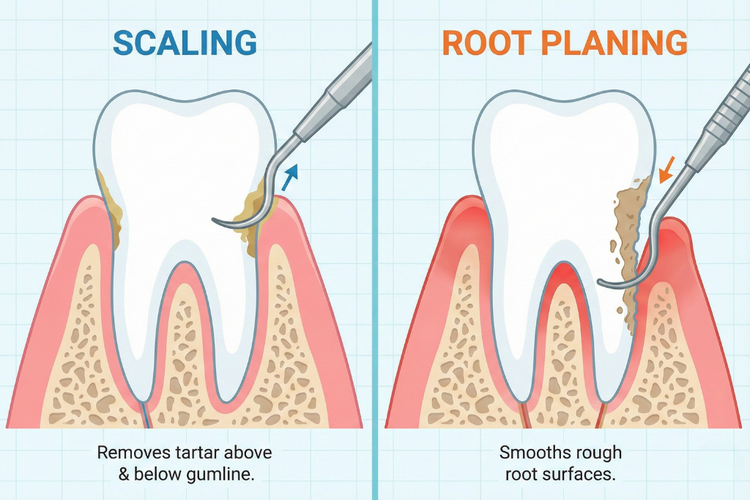
It is often done together with dental scaling, but involves a deeper level of cleaning. Where scaling cleans the tooth surfaces above the gum and just below it, root planing works further down, smoothing the root surfaces hidden beneath the gums.
Doing so calms gum inflammation, gives the gums a chance to heal, and slows gum (periodontal) disease before it can advance.
Is Root Planing Necessary?
Root planing is usually recommended when signs of gum disease are present, especially
in its more advanced stage known as periodontitis.
It may be necessary if you have any of the following signs, which suggest that routine cleaning is no
longer sufficient to manage the condition:
- Red, swollen, or bleeding gums
- Persistent bad breath or a bad taste in the mouth
- Gum recession or teeth appearing longer
- Deep gum pockets, where the gums have pulled away from the teeth and created spaces that trap bacteria
- Loose teeth or widening gaps between teeth
If left untreated, gum disease can lead to bone loss and eventually tooth loss. Root planing helps to interrupt this progression and support the stability of your oral health.
WhatsApp Us Now
How Is Root Planing Different from Regular Cleaning?
Root planing is a deeper, targeted treatment for gum disease, while regular cleaning
(scaling and polishing)
is a preventive procedure that maintains general oral health.
Key differences:
| Feature | Regular Cleaning (Scaling & Polishing) | Root Planing |
|---|---|---|
| Target Area | Above the gumline | Below the gumline and root surfaces |
| Purpose | Preventive maintenance | Treatment of gum disease |
| Anaesthesia | Not usually required | Typically used |
| Frequency | Every 6 months | As needed for disease control |
| Healing Time | Not required | Minor healing may be needed |
The Root Planing Procedure: What to Expect
Root planing typically involves the following steps:
-
1Assessment and Diagnosis
Your gum health is examined, pocket depths are measured (the space between the tooth and gum), and dental X-rays may be taken to assess bone levels.
-
2Anaesthesia
Local anaesthetic is applied to numb the area and ensure comfort.
-
3Scaling
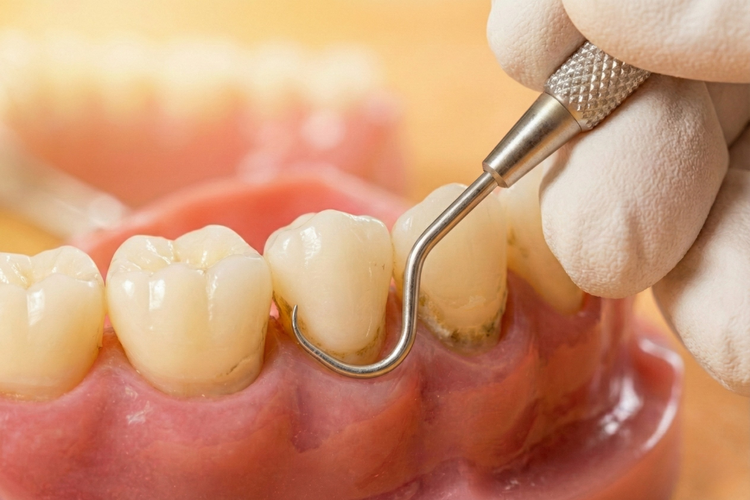
Plaque and tartar are removed from the tooth surfaces above and below the gumline using ultrasonic or manual instruments.
-
4Root Planing
The root surfaces are smoothed to eliminate rough areas that trap bacteria.
-
5Antimicrobial Application (if needed)
An antiseptic rinse or local antibiotic may be used to reduce bacterial levels.
How Long Does Scaling and Root Planing Take?
Root planing typically takes 60 to 90 minutes per session and may be completed over one or more visits, depending on the severity of gum disease and the number of areas that require treatment.
Does Root Planing Hurt?
Root planing is generally well tolerated with the use of local anaesthesia. While pressure or vibration may be felt during the procedure, discomfort is usually minimal.
Scaling and Root Planing: Before and After Benefits
Root planing helps improve gum health by reducing inflammation, lowering bacterial levels, and
supporting gum reattachment to reduce deep pockets around the teeth.
Key benefits include:
1. Shallower gum pockets and improved gum attachment
2. Reduced risk of bone and tooth loss
3. Healthier gums with less bleeding, swelling, and sensitivity
4. Better long-term control of chronic gum disease
5. Fresher breath and a cleaner taste
When supported by consistent oral hygiene and regular dental follow-up, root planing plays an important role in improving long-term oral health.
What Is the Recovery Process After Root Planing?
Mild sensitivity, tenderness, or light bleeding may occur for a few days after
root planing treatment. Healing typically begins within days, with gum health gradually
improving over the following weeks.
To support recovery:
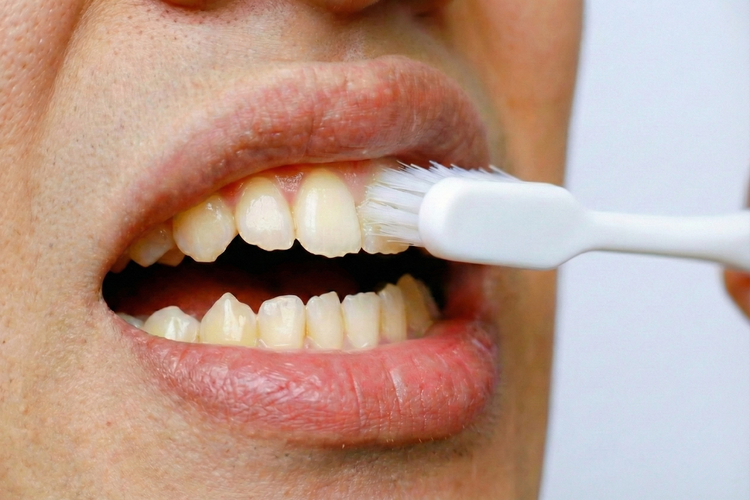
- Maintain gentle daily oral hygiene using a soft-bristled toothbrush and floss
- Rinse with an antimicrobial or saltwater solution
- Avoid smoking, as it slows healing
- Attend all follow-up appointments as advised
A desensitising toothpaste, antimicrobial rinse, or soft diet may also be recommended to ease discomfort during the initial healing period. Always follow your dentist's advice on recovery and home care.
How Often Do You Need Scaling and Root Planing?
Root planing may be recommended again if gum disease returns or does not respond fully to
initial treatment. It is usually followed by a periodontal maintenance programme with regular check-ups and
cleanings every three to four months.
Maintaining good oral hygiene and a healthy lifestyle can reduce the need for retreatment. Your dentist
will continue to monitor your gum health and advise if further therapy is required.
How Much Does Scaling and Root Planing Cost in Singapore?
At True Dental Studio, we offer root planing as part of gum disease treatment at the following prices:
| Treatment | Price* |
|---|---|
| Consultation | $27.25 to $65.40 |
| Root Planing | $163.50 to $272.50 per quadrant |
| Scaling and Polishing | $49.05 to $174.40 |
*Prices are NETT and inclusive of GST.
Is Root Planing Covered by Medisave in Singapore?
Root planing is not Medisave-claimable as it is considered a
non-surgical dental procedure.
However, some private dental insurance plans may provide coverage depending on your policy. We recommend
checking with your insurer for eligibility.
Book a Consultation for Root Planing
Book Root Planing Appointment
Book NowEnquire More Through Email
Email Us NowEnquire More Through WhatsApp
WhatsApp Us NowWhy Choose True Dental Studio?
Friendly Dentist and Team
We treat every patient to the best of our ability. This is why families across Singapore have continued their dental care with us for years.
Minimal Discomfort
We are committed to keeping our patients as comfortable as possible, minimising any discomfort during treatment.
Affordable Treatments
We believe in pricing quality treatments at a competitive rate. We are transparent and upfront with our treatment costs.
Our Smile Scorecard
Frequently Asked Questions
Scaling removes plaque and tartar from above and just below the gumline, while root planing goes deeper to clean and smooth the root surfaces beneath the gums. Scaling is typically part of regular dental maintenance, whereas root planing is often recommended to treat active gum disease. Both are commonly done together but serve different purposes: scaling helps prevent disease, and root planing manages existing periodontal conditions.
Root planing is generally not painful due to the use of local anaesthesia, though some pressure or vibration may be felt during the procedure. After treatment, mild sensitivity, gum tenderness, or light bleeding can occur and usually settles within a few days. Discomfort varies between individuals and is typically manageable. If symptoms worsen or do not improve as expected, consult your dentist promptly for further assessment.
Root planing may help stabilise gum health by reducing inflammation, lowering bacterial levels, and supporting gum reattachment to tooth surfaces. While it does not reverse existing bone loss, it can slow the progression of gum disease and reduce the risk of tooth loss. When combined with good oral hygiene and follow-up care, root planing contributes to healthier gums and helps preserve the teeth in the long term.
"Deep cleaning" is a general term that usually includes both scaling and root planing when used to treat gum disease. Root planing refers specifically to the smoothing of root surfaces beneath the gums, while scaling involves removing plaque and tartar from tooth surfaces above and just below the gumline. The term "deep cleaning" is commonly used to describe the combined procedure of scaling and root planing.
Recovery from root planing typically begins within days, with noticeable improvements in gum health appearing over several weeks. Mild sensitivity, tenderness, or bleeding may occur during the first few days and is usually manageable with aftercare. Healing time can vary depending on the severity of gum disease and personal oral hygiene habits. If symptoms persist or worsen, seek evaluation from your dentist to rule out complications.
Root planing is more costly than routine cleaning because it is a time-intensive, technique-sensitive procedure that treats gum disease below the gumline. It often requires multiple sessions, local anaesthesia, and specialised tools to thoroughly clean and smooth the root surfaces. Costs may also reflect the expertise of the dental team and follow-up care. Pricing can vary based on the number of affected areas and the severity of gum disease. At True Dental Studio, we offer root planing at $163.50 to $272.50 per quadrant.
Root planing does not cause gums to grow back, but it may reduce inflammation and support gum reattachment to the teeth. This can lead to shallower pockets and improved gum contour, creating the appearance of healthier gums. However, significant gum recession is unlikely to reverse fully without surgical procedures such as gum grafting, which may be considered in more advanced cases of tissue loss.
Root planing is generally well tolerated, with risks that are mostly manageable. Temporary sensitivity, gum tenderness, or light bleeding may occur after treatment. In rare cases, there may be a risk of infection or root surface damage if the procedure is not performed correctly. Exposed root surfaces can also increase sensitivity to temperature or brushing. If symptoms persist or worsen, consult your dentist to rule out complications.
Root planing is usually indicated when signs of gum disease are present, such as bleeding gums, persistent bad breath, gum recession, or deep pockets between the teeth and gums. The need is determined through a clinical examination and measurements of pocket depth, sometimes supported by dental X-rays. If you notice any of these symptoms, seek timely evaluation by a dentist to determine if root planing is appropriate.
Deep cleaning, which includes scaling and root planing, is usually recommended when gum disease is present and routine cleaning is no longer enough. It helps reduce bacteria, control inflammation, and prevent further damage to the gums and supporting bone. This recommendation is not made without reason but is based on clinical findings such as deep gum pockets or signs of active infection. If there is uncertainty about the need, getting a second opinion may help.
There are few non-surgical alternatives to root planing once gum disease has progressed beyond the early stage. Antimicrobial rinses, better oral hygiene, or short-term antibiotics may help reduce bacteria but cannot replace the physical removal of plaque and tartar from below the gumline. In more advanced cases, surgical treatment may be needed if root planing is not enough. Discussing all available options with a dentist can help guide the right approach for you.
Root planing is often effective in managing chronic gum disease, helping reduce gum pocket depth, inflammation, and bleeding. Its success depends on factors such as the extent of disease, how well you respond to treatment, and ongoing oral care. While it does not cure periodontal disease, it may help control progression and preserve oral health. Your dentist can discuss realistic expectations based on your specific condition before starting treatment.
Yes, local anaesthesia is typically used during root planing to numb the area and minimise discomfort. The procedure involves cleaning below the gumline, which can be sensitive, so numbing ensures comfort throughout the session. Some patients may feel pressure or vibration, but pain is uncommon with proper anaesthesia. Let your dentist know if you have concerns about sensitivity or previous reactions to numbing agents.