
What Is Gum Swelling?
Gum swelling is an enlargement of gum (gingival) tissue caused by inflammation, fluid accumulation, or abnormal tissue growth.
It is a symptom rather than a condition on its own. Sometimes it shows up around a single tooth, which usually points to a problem in that one spot; other times it spreads across several teeth, which tends to signal something more systemic or lifestyle-related.
Swollen gums can make everyday activities uncomfortable: chewing hurts, so certain foods get avoided; brushing makes you wince; even a mouthful of hot coffee or cold water sets off a twinge. And sometimes there is no pain at all, and you only notice it in the mirror or at a dental check.
Either way, finding the underlying cause is the first step towards relief and getting back to normal.
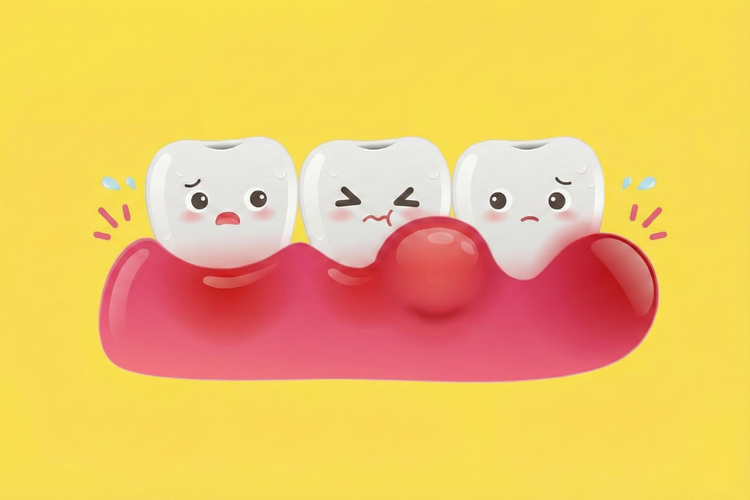
What Are the Causes of Gum Swelling?
Swollen gums result from inflammation triggered by various dental, systemic, and lifestyle factors. The swelling occurs when blood flow increases to the affected tissue as part of the body's immune response.
Plaque and Gum Disease
Bacteria in plaque irritate gum tissue, triggering early-stage gum disease (gingivitis). Without removal, plaque hardens into tartar, worsening inflammation and potentially progressing to advanced gum disease (periodontitis).
Dental Infections
An abscess (a pocket of infection) can form when bacteria become trapped in the gum or at a tooth's root. This causes sudden swelling and usually requires professional treatment.
Wisdom Teeth
Emerging or impacted wisdom teeth can cause swelling in the surrounding gum tissue, often at the back of the mouth.
Dental Procedures and Appliances
Swelling after extractions, implants, or gum surgery is a normal healing response that typically peaks within 2–3 days and subsides within a week. Dentures or orthodontic devices may also cause irritation and localised swelling as the mouth adjusts.
Hormonal Changes
Elevated levels of oestrogen and progesterone during pregnancy, menstruation, or puberty enhance blood circulation to the gums, making the tissue more reactive to plaque and prone to swelling.
Less Common Causes
- Certain medications (phenytoin, calcium channel blockers, immunosuppressants) can cause gum overgrowth.
- Allergic reactions to oral care products can irritate gum tissue.
- Tobacco use weakens the immune system, making it harder to fight gum infections and heal.
WhatsApp Us Now
What Are the Symptoms of Gum Swelling?
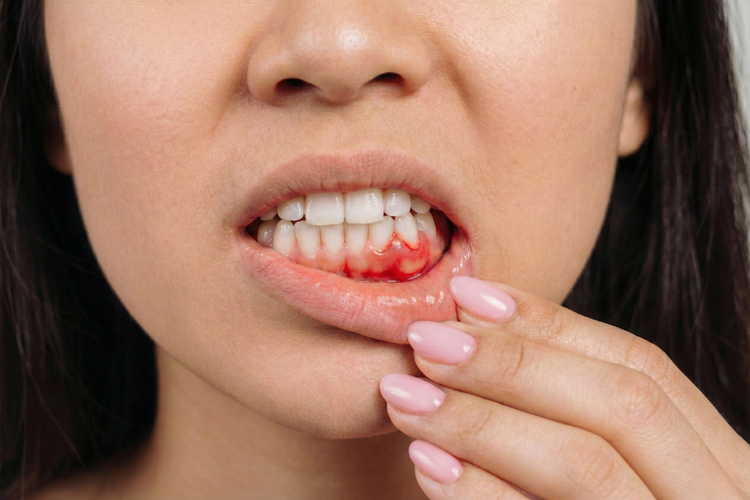
Swollen gums rarely occur in isolation, and accompanying symptoms often indicate the underlying cause and severity:
- Redness or gums darker than usual
- Tenderness when touched or while chewing
- Bleeding during brushing or flossing, which is common with gum disease
- Sensitivity to hot or cold
- Bad taste in the mouth, which may indicate infection
- Throbbing pain around a single tooth, often signalling an abscess
- Visible pimple-like bump on the gum, typically from an abscess
How Are Swollen Gums Professionally Treated?
Treatment for gum swelling depends on the cause and severity of the swelling. Addressing the underlying condition, rather than just the symptom, produces lasting results.
| Treatment | How It Reduces Swelling |
|---|---|
| Dental scaling | Removes plaque and tartar that irritate gum tissue. Once these are eliminated, inflammation subsides and gums typically return to normal within one to two weeks. |
| Deep cleaning (scaling and root planing) | A more intensive procedure to remove bacteria and tartar from below the gumline where regular brushing cannot reach, allowing inflamed tissue to heal and reattach to the tooth roots. |
| Abscess drainage | A procedure to release the buildup of pus causing swelling and pressure, either through the gum, through root canal treatment, or through tooth extraction. Antibiotics may be prescribed to clear remaining infection. |
| Periodontal surgery | Treats advanced gum disease that has not responded to other treatments by surgically accessing deep pockets of infection and removing bacteria and damaged tissue, allowing gums to heal. This may include bone reshaping, bone grafting or tissue grafting. |
Swollen Gums Treatment at Home: What Can You Do?
Mild gum swelling from plaque irritation or minor trauma often responds to improved oral hygiene and simple home remedies within one to two weeks. These approaches may reduce discomfort while the underlying cause is addressed by professional treatment:
- Saltwater rinses – Dissolve half a teaspoon of salt in warm water and rinse gently for 30 seconds, two to three times daily, to help reduce bacteria.
- Antiseptic mouthwash – Rinsing with an antiseptic mouthwash can help control bacteria that contribute to gum inflammation.
- Daily brushing and flossing – Brush gently using a soft-bristled toothbrush twice a day and floss once daily to remove plaque that irritates gum tissue.
- Cold compresses – Apply a cloth-wrapped ice pack to the outside of the cheek for 15 to 20 minutes at a time to constrict blood vessels and help bring down swelling.
- Avoid irritants – Tobacco products, very hot or spicy foods, and alcohol-based mouthwashes can aggravate already inflamed tissue and slow healing.

Home care has clear limits, and more severe underlying causes such as abscesses, advanced gum disease, or infections require professional treatment.
When to See a Dentist for Gum Swelling
You should see a dentist if your swollen gums:
- Persist for more than two weeks
- Concentrate around a single tooth and do not improve
- Bleed persistently or appear to be pulling back from teeth
- Worsen after 48 hours following dental treatment
Seek immediate dental care if swelling spreads to the face, jaw, or neck, or occurs with fever, severe pain, or difficulty swallowing or breathing.
How Much Does Gum Swelling Treatment Cost?
At True Dental Studio, we offer treatments to address gum swelling depending on the underlying cause:
| Treatment | Price* |
|---|---|
| Consultation | $27.25 to $65.40 |
| Scaling and Polishing | $49.05 to $174.40 |
| Root Planing | $163.50 to $272.50 per quadrant |
| Root Canal | From $708.50 |
| Dental Bone Graft Surgery | From $2,000 |
*Prices are NETT and inclusive of GST.
For other gum-related concerns such as
wisdom tooth
extraction, see our
dental services
list.
Book an Appointment for Swollen Gums
Book Dental Appointment
Book NowEnquire More Through Email
Email Us NowEnquire More Through WhatsApp
WhatsApp Us Now
Over 30% of adults feel anxious about dental visits.
Dental visits can indeed be stressful, but at True Dental Studio, we are gentle and patient, committed to helping you feel at ease during your visit.

Dr Tay Chih Kien
Why Choose True Dental Studio?
Friendly Dentist and Team
We treat every patient to the best of our ability. This is why families across Singapore have continued their dental care with us for years.
Minimal Discomfort
We are committed to keeping our patients as comfortable as possible, minimising any discomfort during treatment.
Affordable Treatments
We believe in pricing quality treatments at a competitive rate. We are transparent and upfront with our treatment costs.
Our Smile Scorecard
Frequently Asked Questions
Swollen gums are commonly caused by plaque buildup irritating gum tissue, leading to early-stage gum disease (gingivitis). Other causes include dental infections, hormonal changes during pregnancy or menstruation, emerging wisdom teeth, or dental appliances as the mouth adjusts. Less common causes include certain medications or allergic reactions to oral care products. If swelling persists for more than two weeks or is accompanied by pain, it is advisable to consult a dentist.
Swelling behind the back molars is often caused by emerging or impacted wisdom teeth, where the gum tissue becomes irritated as the tooth pushes through. Food debris trapped beneath the gum flap can also lead to infection and swelling in this area. Other possible causes include gum disease or a dental abscess. If the swelling does not improve within a few days, consulting your dentist is advisable.
Swollen gums near a wisdom tooth can be managed temporarily with saltwater rinses, gentle brushing, and cold compresses to reduce discomfort. However, swelling in this area often indicates an emerging or impacted wisdom tooth, which may require professional assessment. If the swelling persists, spreads, or is accompanied by severe pain, fever, or difficulty opening your mouth, it is advisable to see a dentist promptly.
Mild gum swelling can often be soothed with saltwater rinses two to three times daily, gentle brushing with a soft-bristled toothbrush, and applying a cold compress to the outside of the cheek for 15 to 20 minutes. Avoiding irritants such as tobacco, spicy foods, and alcohol-based mouthwashes may also help. If swelling persists beyond two weeks or worsens, it is advisable to consult your dentist to identify the underlying cause.
Wearing a retainer with swollen gums may cause additional irritation, but removing it for extended periods can allow teeth to shift. If swelling is mild and not caused by the retainer itself, you may continue wearing it while practising good oral hygiene to reduce inflammation. However, if the retainer is causing discomfort or the swelling persists, check with your dentist or orthodontist for guidance.
The fastest way to reduce gum swelling depends on the underlying cause. For mild inflammation from plaque buildup, saltwater rinses, thorough brushing and flossing, and antiseptic mouthwash can help within a few days. However, swelling caused by an abscess or advanced gum disease requires professional treatment such as drainage or deep cleaning. If swelling is severe or accompanied by fever or pain, see a dentist as soon as possible.
Mild gum swelling from plaque irritation or minor trauma typically improves within one to two weeks with good oral hygiene. Swelling after dental procedures usually peaks within two to three days and subsides within a week. However, swelling caused by infections, abscesses, or advanced gum disease may persist or worsen without professional treatment. If your swollen gums do not improve within two weeks, a dental check-up is recommended.
Swelling around a single tooth often indicates a localised issue such as a dental abscess, trapped food debris, or an emerging wisdom tooth. It may also result from injury, a dental appliance the mouth is still adjusting to, or infection at the tooth root. Unlike generalised swelling affecting multiple teeth, localised swelling typically points to a specific cause that requires attention. If the swelling does not improve within a few days or is accompanied by pain, it is best to consult your dentist.
Early signs of a gum infection include redness, swelling, and tenderness in the affected area. You may also notice bleeding when brushing or flossing, persistent bad breath, or an unpleasant taste in your mouth. As the infection progresses, symptoms may include throbbing pain around a single tooth, a visible pimple-like bump on the gum, or pus discharge. If you notice these signs, it is best to see your dentist promptly.
Yes, brushing swollen gums is important to remove the plaque that may be causing the inflammation. Use a soft-bristled toothbrush and brush gently along the gumline at a 45-degree angle without pressing too hard. Avoiding brushing can allow plaque to accumulate and worsen the swelling. If brushing causes significant pain or bleeding that does not subside, speak with your dentist.
Saltwater rinses can help reduce bacteria and soothe inflamed gum tissue when used two to three times daily. Gentle brushing and daily flossing remove plaque that irritates the gums, while cold compresses applied to the cheek can help reduce swelling. Antiseptic mouthwashes containing chlorhexidine may also help control bacteria. Avoiding tobacco, spicy foods, and alcohol-based mouthwashes can prevent further irritation while the gums heal. If you have received treatment, always follow your dentist's advice for aftercare.
Mild gum inflammation from plaque buildup may improve with thorough oral hygiene, but a true gum infection rarely resolves on its own. Infections such as abscesses involve bacteria trapped beneath the gum or at the tooth root, requiring professional drainage and sometimes antibiotics. Without treatment, the infection can spread and cause more serious complications. If you suspect a gum infection, it is advisable to see a dentist rather than wait for it to heal naturally.
There is no single medicine suitable for all cases of swollen gums, as treatment depends on the underlying cause. Antiseptic mouthwashes can help control bacteria contributing to inflammation. For swelling caused by infection, a dentist may prescribe antibiotics. Over-the-counter pain relievers may provide temporary relief from discomfort.
Getting rid of swollen gums requires addressing the underlying cause. Mild swelling from plaque irritation often improves within one to two weeks with consistent brushing, flossing, and saltwater rinses. Professional treatments such as dental scaling remove tartar buildup, while deep cleaning or abscess drainage may be necessary for more severe cases. If swelling persists beyond two weeks or is accompanied by pain or bleeding, it is advisable to go for a dental check-up.
Ignoring inflamed gums is not recommended, as the inflammation often signals an underlying issue that can worsen over time. Early-stage gum disease (gingivitis) is reversible with improved oral hygiene, but left untreated, it can progress to periodontitis, which damages the bone supporting your teeth. Persistent inflammation may also indicate infection or other health concerns. If your gums remain inflamed for more than two weeks, it is best to have them checked by your dentist.
Yes, stress can contribute to gum inflammation. When stressed, the body produces higher levels of cortisol, which can weaken the immune system and make it harder to fight off bacteria that cause gum disease. Stress may also lead to neglected oral hygiene, teeth grinding, or unhealthy habits like smoking, all of which can worsen gum health. Managing stress and maintaining consistent oral care can help reduce the risk of inflammation.
Yes, oral thrush, a fungal infection caused by an overgrowth of Candida, can cause gum swelling along with white patches on the tongue, inner cheeks, and gums. The affected tissue may become red, sore, and prone to bleeding. Thrush is more common in people with weakened immune systems, diabetes, or those taking antibiotics or corticosteroids. If you suspect oral thrush, it is advisable to consult a dentist or doctor for appropriate treatment.
Yes, a gum infection can sometimes cause a headache. The pain from an infected tooth or abscess can radiate to surrounding areas, including the jaw, ear, and head. This is known as referred pain. Severe infections may also cause general symptoms like fever and fatigue, which can accompany headaches. If you experience persistent headaches alongside gum swelling or tooth pain, seeing a dentist to address the underlying infection is recommended.
Swollen gums during pregnancy, often called pregnancy gingivitis, can be managed with gentle brushing twice daily, daily flossing, and saltwater rinses. Hormonal changes make gums more reactive to plaque, so maintaining good oral hygiene is essential. Avoid delaying dental check-ups during pregnancy, as professional cleaning is generally considered safe and can help prevent worsening inflammation. If swelling is severe or painful, speak with your dentist for guidance tailored to your pregnancy.
Gum pain in children may result from teething, emerging permanent teeth, food trapped under the gums, or early gum disease. For mild discomfort, gentle brushing with a soft toothbrush, saltwater rinses for older children, and cold compresses can help soothe the area. Ensure your child maintains good oral hygiene and avoids sugary foods that promote plaque buildup. If the pain persists, is accompanied by swelling or fever, or your child has difficulty eating, it is best to have them seen by a dentist.