
What Are Black Triangle Teeth?
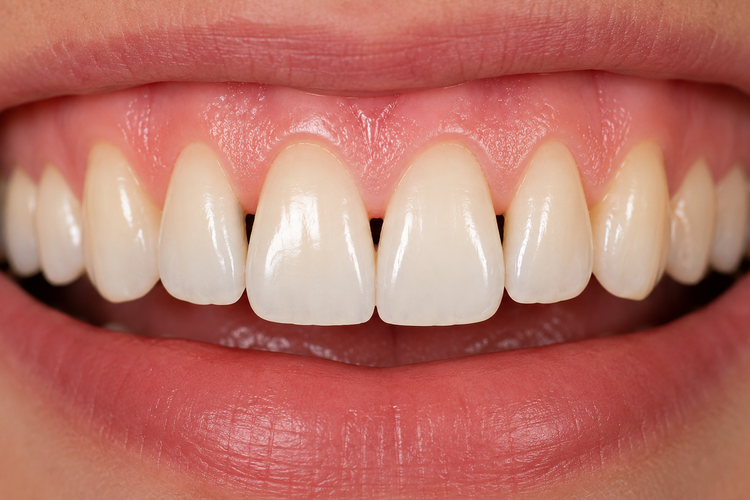
Black triangle teeth are the small, dark, triangular gaps that
appear between two teeth, just below their contact point, when
the gum no longer fills that space. The clinical name is open gingival
embrasures, and the gaps look dark because the empty space sits in
shadow against the brighter tooth surfaces.
Black triangles vary in size and most often show up between the upper front
teeth, where they are hard to miss when you smile, talk, or appear in
photos.
For many people, that visibility is what makes them feel self-conscious,
even when the gaps are small. If that sounds familiar, you are far from the
only one, and there are several ways to address them.
What Causes Black Triangle Teeth?
Black triangles typically form when the interdental papilla, the small peak of gum
tissue between two teeth, shrinks back or loses the bone supporting it,
leaving a space it no longer fills.
Several factors can lead to this, and more than one often plays a part:
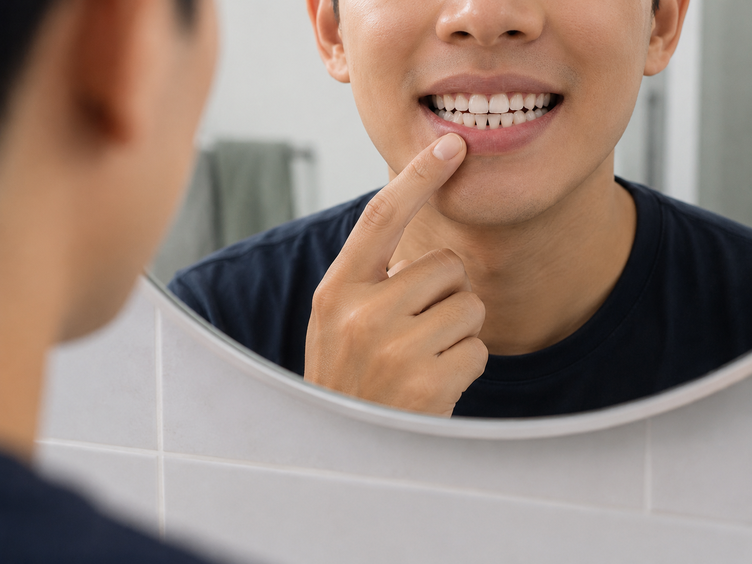
- Gum disease – Inflammation from periodontitis (advanced gum disease) breaks down the gum and the bone that support the papilla, causing the tissue between teeth to recede.
- Ageing – Gum tissue thins and recedes over time, so black triangles become more common with age.
- Aggressive brushing – Brushing too hard or with a stiff brush can wear down gum tissue and contribute to recession.
- Tooth shape – Teeth that are more triangular than rectangular meet only at the tip, leaving a naturally wider space near the gum that the papilla cannot always fill.
- Orthodontic treatment – Moving teeth with braces or clear aligners such as Invisalign can reposition them in a way that reveals a gap, particularly where teeth were previously crowded or overlapping.
Are Black Triangle Teeth Normal or a Cause for Concern?
Black triangle teeth are common and, in many cases, a cosmetic issue
rather than a sign of disease. Many adults have at least one, and a small
triangle between the front teeth does not necessarily mean anything is
wrong.
Even so, a confident smile can leave a lasting impression, and feeling
self-conscious about how your teeth look is more common than you might
think. A Colgate
survey across Asia-Pacific found that 94 per cent of people would
like to be able to smile more freely, so wanting to address a black triangle
is entirely understandable.
That said, the gaps can create practical problems. They tend to trap food
and plaque, which are then harder to clean out and can raise the risk of
tooth decay and gum inflammation if left unaddressed. In some cases, a black
triangle is the first visible sign of gum
recession or gum disease.

It is worth having black triangles assessed when they appear suddenly, widen over time, or come with other signs of gum problems such as bleeding, swelling, or sensitivity. A dental examination can confirm whether the cause is purely cosmetic or whether the gums and bone need attention first.
WhatsApp Us Now
Black Triangle Teeth Treatment
Black triangle teeth can be treated by adding material to the teeth, reshaping or
repositioning them, or addressing the gum and bone that support the papilla.
The most suitable option depends on the size of the gap, the cause, and the
condition of your gums.
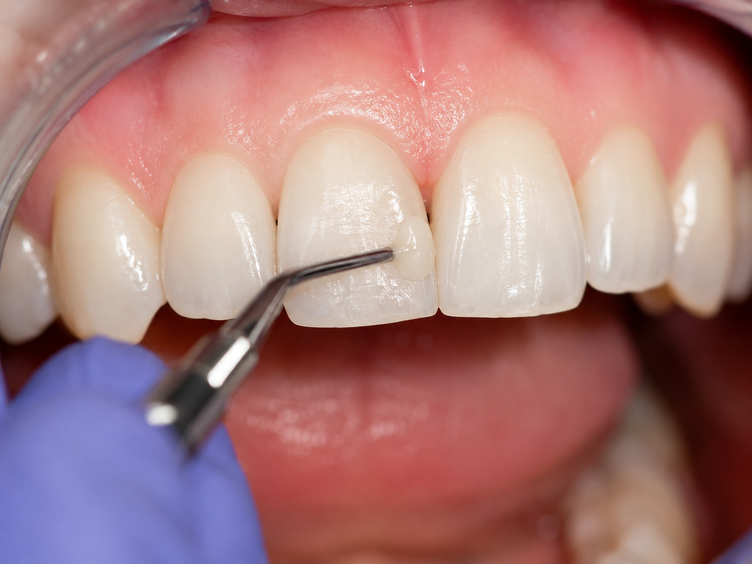
Dental Bonding
How it works: Dental bonding builds up the sides of the
teeth with tooth-coloured
composite resin to close the triangular gap. The resin is applied
directly, shaped to fill the space, and hardened with a light, usually in a
single visit and without removing tooth structure.
Bonding is a widely used option for small to moderate black triangles,
though the resin may need polishing or repair over time.
Dental Veneers
How it works: Dental veneers are thin shells bonded to the front of the
teeth to reshape them and close the gaps at the same time. Because veneers
cover the whole visible surface, they suit cases where the teeth also have other
concerns such as discolouration, worn edges, or uneven shape.
Veneers usually involve preparing the teeth and more than one appointment, so they
are generally considered for more extensive cases.
Orthodontic Treatment
How it works: Braces and clear aligners such as Invisalign move
teeth closer together to reduce or close a black triangle, especially when the gap
results from spacing or alignment.
Treatment is sometimes paired with interproximal reduction,
where a small amount of enamel is smoothed from the sides of the teeth so they meet
closer to the gum, leaving less open space.
Orthodontic treatment addresses the position of the teeth rather than rebuilding
lost gum tissue, so it works best when alignment is the underlying issue.
Gum Treatment
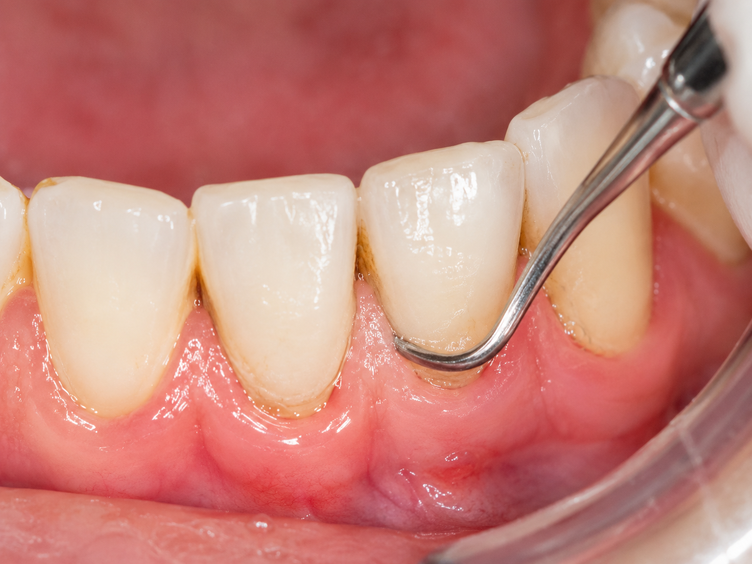
How it works: When black triangles are linked to gum
disease, treating the gums comes first. Scaling and root planing remove
plaque and tartar from below the gum line to control inflammation and stop
further recession. This does not rebuild the lost papilla, but it stabilises
the gums and protects the surrounding teeth before any cosmetic procedures
are considered.
In selected cases, procedures that aim to regenerate or reposition gum
tissue, such as gum grafting or surgery to reposition the papilla, may be
explored.
How to Prevent Black Triangle Teeth
You can lower the chance of black triangles by protecting your gums and the
bone that supports the tissue between your teeth.
Many of the causes relate to gum health, so the same habits that keep gums healthy
also help prevent the gaps from forming:
- Brush gently – Use a soft-bristled brush and avoid scrubbing hard, which can wear down gum tissue over time.
- Clean between your teeth daily – Interdental brushes or floss remove plaque from the spaces a toothbrush cannot reach, helping prevent the gum inflammation that leads to recession.
- Treat gum disease early – Addressing bleeding or swollen gums promptly limits the loss of gum and bone that opens up black triangles.
- Attend regular dental check-ups – Routine visits and professional cleaning catch gum recession and early gum disease before they progress.
Prevention does not guarantee that black triangles will never appear, since factors such as natural tooth shape and ageing are outside your control, but good habits reduce the risk and slow their development.
Cost of Black Triangle Teeth Treatment
At True Dental Studio, we offer a range of treatments for black triangle teeth, with the prices as follows:
| Treatment | Price* |
|---|---|
| Consultation | $27.25 to $65.40 |
| Second Opinion Consultation | $27.25 to $65.40 |
| Cosmetic Treatments | |
| Dental Bonding | $218 to $327 |
| Dental Veneers | From $327 |
| Orthodontic Treatments | |
| Invisalign | $3,924 to $9,810 |
| Dental Cleaning & Gum Treatments | |
| Dental Scaling and Polishing | $98.10 to $174.40 |
| Root Planing | $163.50 to $272.50 |
*Prices are NETT and inclusive of GST.
Once we know the cause, black triangles are usually straightforward to manage, whether by closing the gap with bonding or treating the gums first. The right option gives patients a smoother smile that is also easier to keep clean.

Dr Tay Chih Kien
Book a Consultation for Black Triangle Teeth
Book Black Triangle Teeth Consultation
Book NowEnquire More Through Email
Email Us NowEnquire More Through WhatsApp
WhatsApp Us Now
Over 30% of adults feel anxious about dental visits.
Dental visits can indeed be stressful, but at True Dental Studio, we are gentle and patient, committed to helping you feel at ease during your visit.
Dr Tay Chih Kien
Why Choose True Dental Studio?
Friendly Dentist and Team
We treat every patient to the best of our ability. This is why families across Singapore have continued their dental care with us for years.
Minimal Discomfort
We are committed to keeping our patients as comfortable as possible, minimising any discomfort during treatment.
Affordable Treatments
We believe in pricing quality treatments at a competitive rate. We are transparent and upfront with our treatment costs.
Our Smile Scorecard
Frequently Asked Questions
Black triangle teeth are usually a cosmetic issue rather than a health problem, but the gaps can trap food and plaque that are harder to clean, which may raise the risk of tooth decay and gum inflammation over time. In some cases, they are an early sign of gum recession or gum disease. If the gaps appeared suddenly or your gums bleed or feel sore, consider having them assessed by your dentist.
Black triangle teeth can often be closed by adding material to the teeth, repositioning them, or treating the gums, depending on the size of the gap and its cause. Dental bonding is a widely used option for small to moderate gaps, while veneers, clear aligners, or gum treatment may suit other cases. If the gaps bother you, a consultation with a dentist can help clarify which approach is suitable for your situation.
Black triangles after braces can often be reduced once the teeth are fully aligned. Interproximal reduction, where a small amount of enamel is smoothed from the sides of the teeth, lets them meet closer to the gum and leaves less open space, and dental bonding is a common way to close any gap that remains. If a triangle has appeared since treatment, speak with your dentist or orthodontist for suitable options.
Invisalign does not directly cause black triangle teeth, but straightening crowded or overlapping teeth can reveal a gap that the gum cannot fully fill. This is more likely where the teeth are triangular in shape or the interdental papilla, the gum between the teeth, is already reduced. It can happen with any orthodontic treatment, not only clear aligners, and reflects the teeth shifting into their corrected positions rather than a fault with the aligners.
Black triangles between teeth do not usually go away on their own, because the gum tissue and bone that once filled the space rarely grow back without treatment. A very minor gap from temporary gum swelling may improve as inflammation settles, but an established triangle tends to stay the same or widen. If a gap is widening or your gums show other changes, having it assessed can clarify the cause and which treatment options may suit.
Gums do not reliably grow back to fill black triangles, as the lost interdental papilla (the small peak of gum between two teeth) and the bone supporting it rarely regenerate on their own. Some surgical and regenerative procedures aim to rebuild or reposition the tissue, but results vary and success is not assured. More often, the gap is closed cosmetically with bonding or veneers, which reshape the teeth to fill the space rather than regrow the gum.
Fixing black triangle teeth is long-lasting rather than strictly permanent, as results depend on the method and on keeping your gums healthy. Veneers and orthodontic changes tend to last for years, while dental bonding may need polishing, touch-ups, or replacement over time. Gum recession can also reopen a gap if it continues. Maintaining good oral hygiene and regular check-ups helps protect the result, whichever treatment is chosen.
Black triangle teeth can usually be improved or closed, depending on the size of the gap and what is causing it. Dental bonding suits many small to moderate gaps, while veneers, clear aligners, or gum treatment may be more appropriate in other cases. Rebuilding lost gum tissue is harder to achieve predictably. If the gaps are affecting your smile or are hard to keep clean, a consultation with a dentist can outline which options fit your situation.
Black triangles in teeth form when the interdental papilla, the small peak of gum between two teeth, shrinks back or loses the bone supporting it. Common contributors include gum disease, ageing, aggressive brushing, naturally triangular tooth shape, and orthodontic treatment that repositions previously crowded teeth. More than one factor often plays a part.
A black triangle in dentistry refers to an open gingival embrasure, the dark triangular gap that appears between two teeth when the gum no longer fills the space beneath their contact point. The gap looks dark because the empty space sits in shadow against the brighter tooth surfaces. It is a common finding, often cosmetic, though it can sometimes reflect underlying gum recession or bone loss.
Black triangles are common and, in many cases, a cosmetic feature rather than a sign of disease, with many adults having at least one between the front teeth. That said, they can occasionally be an early sign of gum recession or gum disease, and the gaps can trap food and plaque. If a triangle is affecting your confidence, or appears suddenly, widens, or comes with bleeding or swelling, it is worth having it checked to clarify the cause and discuss your options.
Black triangles become more common with age, as gum tissue naturally thins and recedes over time, so they are seen more often in adults than in younger people. They can appear earlier, however, after orthodontic treatment, with gum disease, or in those with naturally triangular teeth or thin gum tissue. There is no fixed age at which they begin.
Black triangles can widen over time if the underlying cause continues, particularly ongoing gum recession from gum disease, ageing, or aggressive brushing. Once gum tissue and bone are lost, they rarely return on their own, so a gap tends to stay the same or grow rather than shrink. Gentle brushing, daily cleaning between the teeth, and regular check-ups help slow this. If a triangle is widening, trapping food, or affecting your confidence, it may be worth having it assessed to discuss suitable treatments.
Braces can reduce or close a black triangle when the gap results from spacing or alignment, by moving the teeth closer together. Treatment is sometimes paired with interproximal reduction, which gently reshapes the sides of the teeth so they meet lower down and less space is left open. Braces reposition the teeth rather than rebuild lost gum, so they suit alignment-related cases. If a black triangle is bothering you, a consultation can clarify whether this approach fits.
Fixing black triangles in teeth varies with the treatment needed. At True Dental Studio, dental bonding ranges from $218 to $327, veneers start from $327, and Invisalign ranges from $3,924 to $9,810, while gum treatments such as scaling and polishing or root planing are lower in cost. All prices are NETT and include GST. Because the suitable option depends on the gap and its cause, an assessment gives you a clearer estimate.
See a dentist about black triangle teeth if the gaps appear suddenly, widen over time, trap food persistently, or come with signs of gum problems such as bleeding, swelling, or sensitivity, as these can point to gum recession or gum disease. It is also worth seeking advice if the gaps affect your confidence when you smile. An examination can confirm whether the cause is cosmetic or whether the gums and bone need attention first.
Black triangles can occur without gum disease. They often result from naturally triangular tooth shape, ageing, aggressive brushing, or orthodontic treatment that repositions previously crowded teeth, none of which require gum disease to be present. That said, gum disease is a common contributor, so a sudden or widening triangle is worth checking, as treating the gums usually needs to come first before the gap itself is addressed.
Black triangles do not usually go away after a dental cleaning. Cleaning removes plaque and tartar and helps control gum inflammation, but it does not rebuild the lost gum tissue or bone that creates the gap. In some cases, a triangle can become more visible once swollen gums settle after cleaning and shrink back to their true level. Closing the gap itself generally needs bonding, veneers, or orthodontic treatment.
Black triangles between the upper front teeth can be noticeable when you smile, talk, or appear in photos, which is why many people feel self-conscious about them. Smaller gaps lower down or towards the back are often far less visible. How much they stand out varies from person to person. If they are affecting your confidence, treatment options such as bonding can reduce or close the gap.