
Veneers, composite or porcelain, can reshape how your smile looks and how readily you show it off.
Getting veneers can feel daunting if you are not sure what to expect. Understanding each step of the process helps you feel informed and reassured.
This guide follows the journey from your first consultation right through to the final result, so nothing on the way to a smile that feels natural and truly yours catches you off guard.

WhatsApp Us Now
Veneers: Before & After
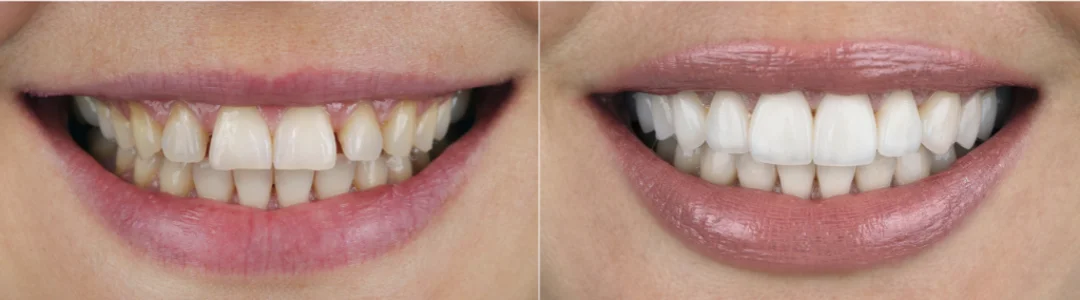
The transformation achieved with veneers is both aesthetic and functional. Before
veneers, teeth may show imperfections such as misalignment, discolouration, chips, or gaps.
After the procedure, veneers provide straighter alignment, uniform size, and
improved symmetry, resulting in a brighter, balanced appearance. Custom-crafted to
match the natural shade and shape of your teeth, veneers create a natural look that
integrates perfectly with your smile.
Ready to see how the process gets you there?
Let’s dive into the details!
1. Initial Consultation & Assessment
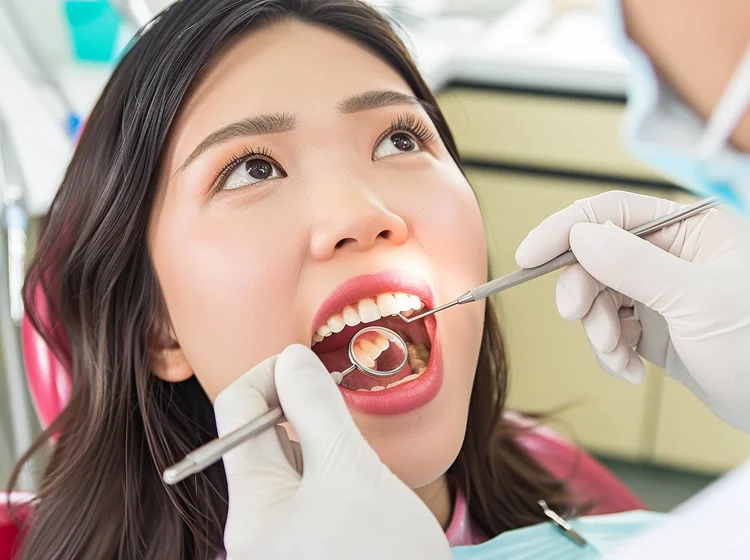
Your veneer journey begins with an initial consultation, where your
dentist will evaluate your dental health and discuss your aesthetic goals.
This assessment involves a detailed
examination of teeth alignment, enamel thickness, and any existing
dental health issues, such as cavities, gum
disease, or weakened teeth, which may require restorative treatment
before veneers can be placed.
To develop a precise, personalised plan, your
dentist may take X-rays or photos to help to
identify the most suitable veneer type and to ensure a durable,
natural-looking result.
2. Teeth Preparation
For porcelain veneers, teeth preparation involves reshaping the tooth
surface (tooth contouring)
by removing a thin layer of enamel on the surface of the tooth to create
space for the veneer.
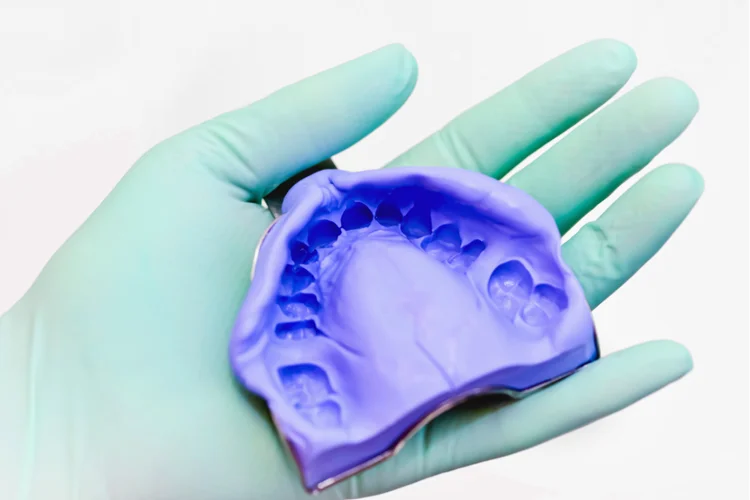
After contouring, impressions of your teeth are taken
and sent to a dental lab, where the veneers are custom-crafted to match your
ideal shade and shape. In the meantime, temporary veneers made from
tooth-coloured filling material are applied on the contoured teeth until
your next dental visit.
In contrast, the application of composite veneers can typically be completed
in a single appointment, with or without tooth contouring, depending on the
condition of your teeth.
3. The Bonding Process
Once your porcelain veneers are ready, you’ll return for a second
appointment to bond them to your teeth. To do so, your dentist will
carefully position each veneer before etching the tooth surface to enhance
adhesion.
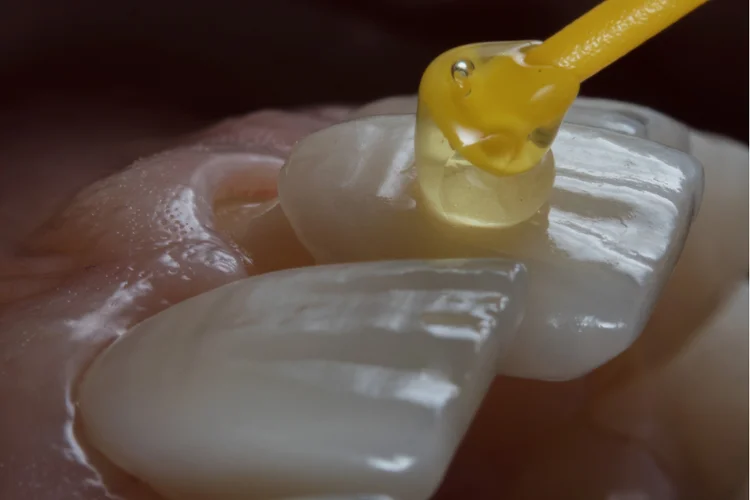
Dental cement is then applied to secure the veneers, and an LED
light activates the cement, creating a durable bond.
For composite veneers, the bonding process is slightly different and can be
completed in the same dental visit as the consultation. A moldable composite
resin is applied directly to the selected tooth and sculpted into
the desired shape.
Similarly, an LED light is then used to harden the resin,
resulting in a strong, natural-looking finish.
4. Aftercare and Maintenance
The journey to a brilliant smile doesn’t end with getting veneers. Proper aftercare is
essential to keep your new smile looking flawless.
While veneers are designed to last, following these practices helps maintain their appearance
and integrity for years to come:
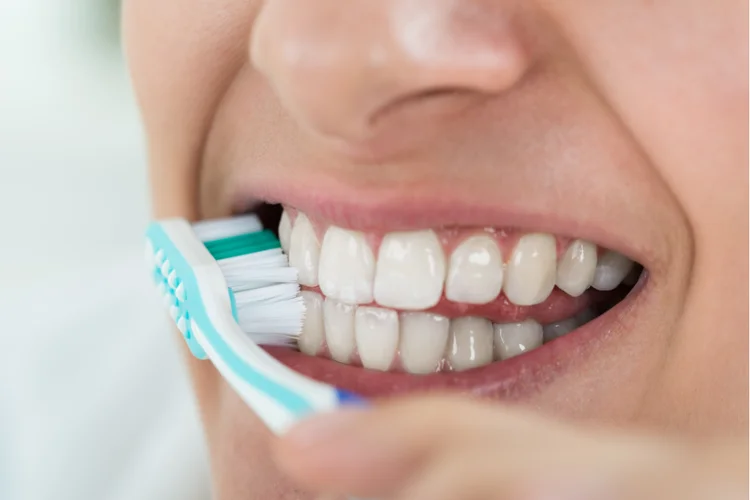
- Daily Care: Brush and floss daily to prevent bacteria from becoming trapped between veneers and natural teeth, which could lead to tooth decay.
- Routine Check-ups: Regular dental visits help maintain oral hygiene and keep your veneers in optimal condition, allowing any potential issues to be addressed early.
- Avoid Hard Foods: Consider avoiding hard foods that may chip or crack veneers, despite their durability.
- Avoid Food with Staining Agents: Consider limiting pigmented foods and drinks, as they can gradually cause veneers to stain or fade over time, especially with composite veneers.
Is It Painful to Get Veneers?
The veneer procedure is usually painless because local anaesthesia is applied during
the preparation of the tooth. After the treatment, your mouth may need some time to
adapt to the new shape of the veneers.
Mild sensitivity to hot or cold temperatures
can occur due to the removal of enamel, but this generally decreases within a few
days to weeks.
Using toothpaste designed for sensitive teeth and avoiding very hot
or cold foods can help reduce any discomfort. If sensitivity or pain continues,
please consult your dentist for additional advice to ensure a comfortable recovery.
Summary: Your Smile Transformation Awaits!
Embarking on the journey to a brighter, balanced smile with veneers is both transformative
and exciting. Whether you choose composite or porcelain veneers,
understanding each step from consultation through aftercare ensures a smooth
experience with optimal results.
With the right care, your veneers will
retain their natural look and durability, preserving your beautiful smile for years
to come.
Ready to take the next step toward your ideal smile? Schedule an
appointment with our dentists to make your vision a reality!
How Do I Book a Dental Veneers Appointment?
Book Dental Veneers Appointment
Book NowEnquire More Through Email
Email Us NowEnquire More Through WhatsApp
WhatsApp Us NowWhy Choose True Dental Studio?
Friendly Dentist and Team
We treat every patient to the best of our ability. This is why families across Singapore have continued their dental care with us for years.

Minimal Discomfort
We are committed to keeping our patients as comfortable as possible, minimising any discomfort during treatment.
Affordable Treatments
We believe in pricing quality treatments at a competitive rate. We are transparent and upfront with our treatment costs.
Our Smile Scorecard
Frequently Asked Questions
The veneer process includes a consultation, tooth preparation (reshaping and taking impressions), and bonding. Porcelain veneers are custom-made in a lab and require an additional appointment for bonding, while composite veneers are applied and sculpted directly onto the teeth, often in a single visit.
The veneer process is generally not painful, as local anaesthesia is typically used during preparation. Some mild discomfort or sensitivity, especially to hot or cold, may be felt post-procedure due to enamel removal, but this usually subsides within days to weeks as your teeth adjust.
The process typically takes 2-3 appointments for porcelain veneers, while composite veneers can be done in a single visit.
Yes, a thin layer of enamel is usually removed to create space for the veneer, ensuring a natural fit.
Composite veneers can often be completed in one appointment, while porcelain veneers usually require multiple visits.
Teeth shouldn’t normally hurt under veneers. Any initial discomfort is usually temporary, due to bonding or minor sensitivity from enamel removal. Persistent pain or sensitivity long after the procedure could indicate tooth decay, often signalled by dull pain or discolouration. Consult your dentist if these symptoms arise.
Veneers do not inherently damage teeth, though a small amount of enamel is typically removed for proper fitting, especially with porcelain veneers. With proper care, veneers remain durable and provide lasting results without adverse effects on your natural teeth.
Yes, veneers are durable enough for regular chewing. However, avoid biting directly into hard foods like ice or candy, as these can damage veneers. Cutting tougher foods into smaller pieces helps protect and maintain them over time.
At True Dental Studio, local anaesthesia is used rather than sedation options like general anaesthesia for veneers. The process is generally painless, and most patients find it smooth and manageable. Some temporary discomfort or sensitivity may occur post-treatment, especially to hot or cold, but this typically subsides within a few days to weeks as your mouth adjusts.
Teeth don’t typically shift due to veneers, as they’re securely bonded to each tooth. However, teeth may shift over time due to other factors like ageing, gum issues, or bite changes.
Veneers are intended to be a long-lasting solution. With proper care, porcelain veneers can last 10-15 years, while composite veneers typically last 5-7 years. Although veneers can be removed or replaced if needed, additional treatment may be required for the underlying tooth, as a layer of enamel is removed during placement.
Veneers may feel slightly different initially, as the mouth adjusts to their shape and size. They might seem slightly thicker than natural teeth or cause minor sensitivity due to enamel removal. Most patients adapt quickly, and any unusual sensations typically fade within a few days to weeks, making veneers feel comfortable and natural over time.
Since enamel removal is required for porcelain veneers and sometimes for composite veneers, it’s generally not possible to revert fully to natural teeth afterward. If veneers are removed, they often need to be replaced to preserve the tooth’s structure and appearance.
Real teeth remain protected beneath veneers but still need regular cleaning to prevent decay along the gum line and between teeth. Proper oral hygiene, including brushing, flossing, and routine check-ups, is essential to keep both veneers and natural teeth healthy.