
Thinking about veneers but not sure which type is right for you? Composite and porcelain veneers are the two main options, and the one you choose has a big effect on the result. They differ in appearance, durability, stain resistance, cost, application time, and how much of the tooth needs to be reshaped.
Across Singapore, veneers are a popular way to brighten discoloured teeth, correct minor misalignment, or rebuild worn edges.
This guide compares composite and porcelain veneers so you can choose the option that matches your needs, budget, and personal preferences.

WhatsApp Us Now
What Are Porcelain Veneers?
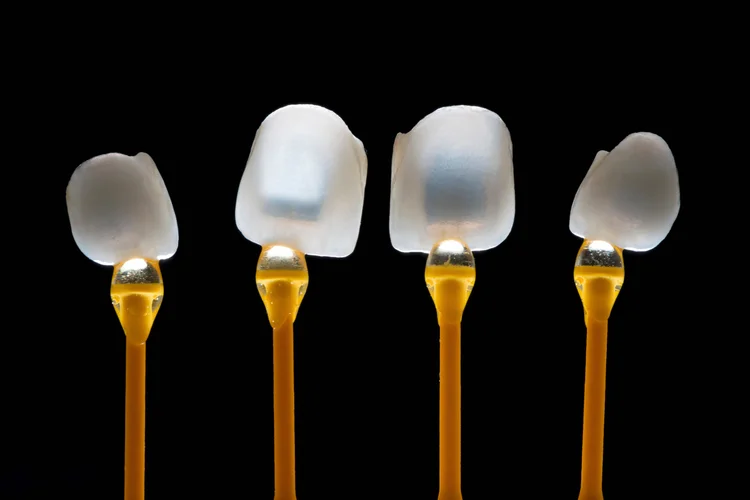
Porcelain veneers are ultra-thin, custom-crafted shells made from
durable, dental-grade porcelain. Each veneer is precisely created using
detailed impressions of a person’s teeth to replicate the natural
translucency and texture of tooth enamel.
These veneers are bonded to the front of each tooth with a strong dental adhesive, providing a secure and
lasting attachment. Because porcelain is biocompatible and
non-porous, it resists stains effectively and delivers a smooth,
natural-looking finish.
What Are Composite Veneers?
Composite veneers are made from a tooth-colored resin composite, which
is applied directly onto the surface of the tooth and shaped to match its
natural form. This process, known as direct bonding, involves layering and
sculpting the composite material to fit the tooth's contours and color.
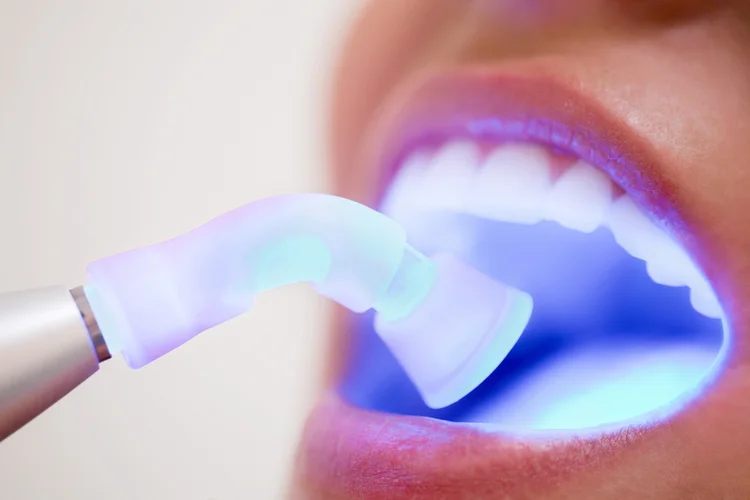
The resin is then hardened using an LED light and polished to give it a smooth,
shiny appearance. While it is less translucent than porcelain, composite
material can be customised to achieve a natural look and is a flexible
choice for cosmetic dental improvements.
Porcelain vs. Composite Veneers: Pros & Cons
Now that we understand each veneer type individually, let’s look at how they stack up against each other:
| Category | Porcelain Veneers | Composite Veneers |
|---|---|---|
| Appearance | Natural, lifelike translucency | Less translucent but still aesthetically pleasing |
| Durability | 10-15 years or more | 5-7 years |
| Stain Resistance | Highly stain-resistant | More prone to staining over time |
| Cost | Higher, premium option | Lower, budget-friendly option |
| Application Time | Multiple dental visits | Usually one dental visit |
| Tooth Alteration | Requires enamel removal | Minimal to no enamel removal |
1. Appearance
Porcelain veneers provide a highly realistic look, thanks to their natural translucency,
which closely replicates the depth and sheen of real tooth enamel. This
quality helps porcelain veneers blend seamlessly with surrounding teeth,
creating an aesthetically pleasing result.
Composite veneers, while also attractive, do not possess the same level of translucency as porcelain.
However, they can be colour-matched and polished to achieve an appealing and
natural-looking finish.
Under certain lighting, composite veneers may appear
slightly less lifelike, but they remain a practical option that effectively
enhances a smile's appearance.
2. Durability
Porcelain veneers are known for their long-term durability, often
lasting 10-15 years or
more with proper care. Made from strong ceramic, they are
highly resistant to chipping and wear, allowing individuals to go
about normal activities like eating and drinking.
However, caution is advised with hard foods, as they can potentially cause damage.
In contrast, composite veneers typically last about 5-7 years and may
require periodic touch-ups as the resin material is generally more
susceptible to wear and chipping. Nevertheless, they remain a viable
option for those seeking a more immediate and affordable
enhancement.

3. Stain Resistance
Porcelain veneers are naturally stain-resistant due to their non-porous
structure, allowing them to maintain a bright, consistent appearance. This
makes them ideal for those concerned about food or beverage staining.
Composite veneers, being more porous, are more prone to absorbing pigments
from
foods, drinks, and lifestyle
habits over time.
This may lead to some discolouration, often requiring periodic polishing or maintenance to retain their original colour.
Despite this, both options can enhance a smile’s appearance when cared for
properly.
4. Cost
The premium quality, durability, and lifelike appearance of porcelain
veneers come with a higher cost, reflecting
their status as a long-term cosmetic investment.
The higher initial expense covers the extensive customisation, lab work, and durable material used.
Composite veneers, being quicker to apply and made from a less expensive
material, are more affordable, presenting a cost-effective solution for
those seeking cosmetic improvement.
5. Application Time
Porcelain veneers require a multi-step
process for precise customisation, including consultations, tooth
contouring, taking detailed impressions, and laboratory
fabrication, which necessitates more than one dental visit.
In contrast, composite veneers are often applied in a single visit
through direct bonding, where the material is layered, shaped, and
polished directly onto the tooth.
This streamlined approach makes
composite veneers an ideal choice for patients seeking a quick,
same-day solution.
6. Tooth Alteration
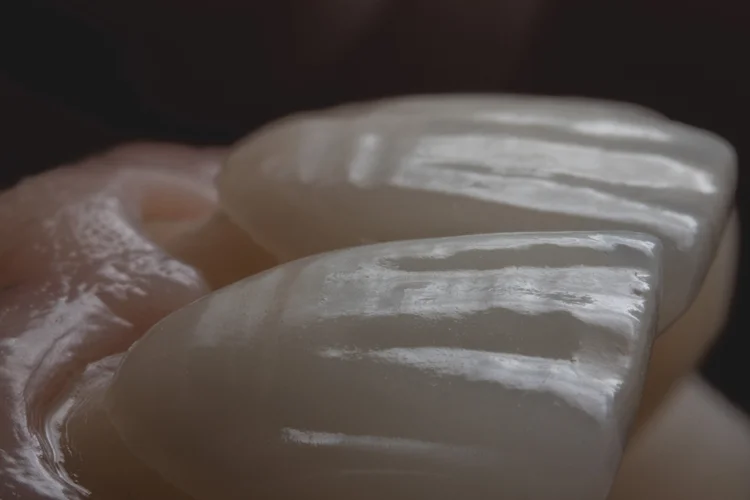
Applying porcelain veneers generally involves removing a thin layer of
enamel to ensure a secure and natural fit, making this a permanent
alteration to the tooth structure.
This enamel reduction is irreversible,
meaning that once a porcelain veneer is placed, any future replacement would
require another veneer, either porcelain or composite, to cover the prepared
surface.
Composite veneers, however, typically require little to no enamel
removal. This non-invasive approach preserves more of the natural tooth
structure, providing a more conservative and less permanent treatment
option.
Summary: What Is the Best Type of Veneer for You?
Deciding between composite and porcelain veneers is all about your needs,
budget, and personal preferences.
Porcelain veneers offer a natural,
lifelike finish with long-lasting durability and strong stain resistance, making
them ideal for those seeking a premium, low-maintenance solution.
Composite veneers,
meanwhile, are a budget-friendly option with minimal tooth preparation and quick,
same-day results, although they may need a bit more maintenance over time.
At True Dental Studio, we offer both composite and porcelain veneers. Ready to
enhance your smile? Schedule
an appointment with our dentist to explore your options and find the perfect
fit for your dental needs.
How Do I Book a Dental Veneers Appointment?
Book Dental Veneers Appointment
Book NowEnquire More Through Email
Email Us NowEnquire More Through WhatsApp
WhatsApp Us NowWhy Choose True Dental Studio?

Friendly Dentist and Team
We treat every patient to the best of our ability. This is why families across Singapore have continued their dental care with us for years.

Minimal Discomfort
We are committed to keeping our patients as comfortable as possible, minimising any discomfort during treatment.

Affordable Treatments
We believe in pricing quality treatments at a competitive rate. We are transparent and upfront with our treatment costs.
Our Smile Scorecard
Frequently Asked Questions
Both have unique benefits. Porcelain veneers are more durable, stain-resistant, and provide a more natural translucency, making them ideal for long-term results. Composite veneers are less costly, require minimal tooth preparation, and can often be applied in a single visit, though they may need more maintenance over time.
Composite veneers are less durable than porcelain, lasting around 5-7 years and are more prone to staining, chipping, and wear, often needing periodic maintenance. However, they are more affordable and involve minimal tooth preparation, making them a suitable choice for a quicker, budget-friendly solution.
Composite veneers can be a worthwhile choice for those seeking an affordable, less invasive way to enhance their smile. However, they may require more upkeep and are not as long-lasting as porcelain veneers.
The best veneer type depends on individual needs, budget and personal preferences. Porcelain is ideal for longevity, durability, and a lifelike appearance, while composite works well for quick, budget-friendly results with minimal tooth alteration.
Porcelain veneers are known for their natural, lifelike translucency, closely resembling tooth enamel and giving a more realistic appearance compared to composite veneers. However, composite veneers can still be colour-matched for a natural look, offering a more budget-friendly alternative.
After 5 years, composite veneers may begin to show signs of wear, discolouration, or chipping. Touch-ups or replacements are often recommended around this time to maintain their original appearance.
Yes, you can, but it depends on the amount of enamel removed during the procedure. Composite veneers typically require minimal or no enamel removal, allowing the underlying teeth to remain largely intact.
Composite veneers can be damaged by biting hard objects, teeth grinding, acidic foods and drinks, and poor oral hygiene, which may lead to chipping, staining, or premature wear.
Decay can occur if bacteria enter between the veneer and tooth or if oral hygiene is poor. Regular cleanings and good oral care can help prevent decay under composite veneers.
Composite veneers can be replaced multiple times if needed. However, each replacement may subtly impact the tooth structure, so it’s best to consult a dentist for personalised guidance.
Eating with composite veneers generally feels natural, though it’s recommended to avoid very hard or sticky foods, which can chip or dislodge the veneers.
Natural teeth typically remain healthy under composite veneers as long as they are properly cared for with good oral hygiene and regular dental check-ups.
Porcelain veneers often appear more natural due to their translucent quality, closely mimicking real tooth enamel and providing a more aesthetic result. However, composite veneers can still be colour-matched for a pleasing, natural look, making them a budget-friendly alternative.
Many individuals prefer porcelain veneers for their durability, natural appearance, and longevity, making them an ideal choice for achieving a polished, long-lasting smile.
Porcelain veneers are generally more expensive than composite veneers due to their high-quality materials, longer lifespan, and the multiple appointments needed for customisation and application.