
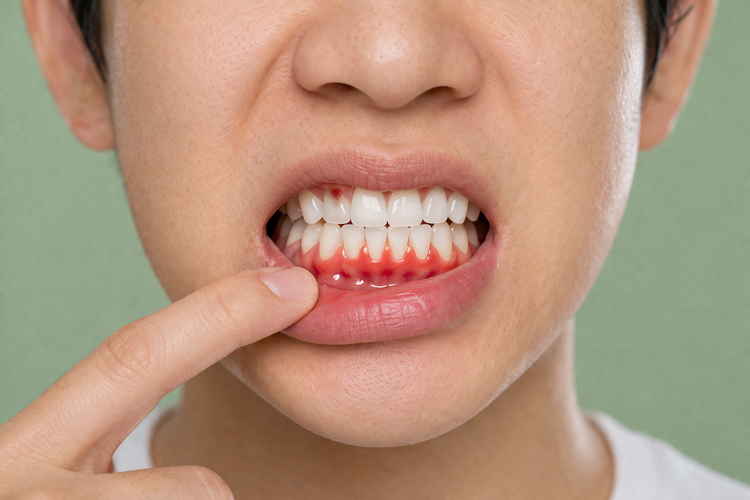
Gingivitis is the early, reversible stage of gum disease that affects only the gums, while periodontitis is the advanced stage where inflammation spreads deeper and begins to destroy the bone and connective tissue that hold teeth in place.
Both have the same cause, bacterial plaque building up along the gumline, but they differ in severity, the tissues involved, and whether the damage can be fully reversed. Knowing which stage you are dealing with helps you catch the warning signs early and get treatment before things get worse.
| Characteristic | Gingivitis | Periodontitis |
|---|---|---|
| Stage of gum disease | Early, mild | Advanced, progressive |
| Tissues affected | Gums only | Gums, periodontal ligament, and bone |
| Common symptoms |
|
|
| Long-term outcome | Reversible with treatment | Damage is permanent although progression can be halted |
| Typical treatment | Scaling and polishing, improved hygiene | Root planing, sometimes gum surgery |

What Is Gingivitis?
Gingivitis develops when bacterial plaque accumulates
along the gumline and triggers inflammation in the soft tissue. It tends to
be painless, which is why many people miss the early warning signs.
Symptoms: Red, tender, or swollen
gums, bleeding when you brush or floss, and bad breath that lingers
despite brushing.
At this stage, the tooth-supporting structures are still intact. That gives
you a narrow window to act before the condition advances into something more
serious.
What Is Periodontitis?
Periodontitis develops when untreated gum
inflammation spreads below the gumline, and the gums begin to pull away from
the teeth, forming small pockets that trap bacteria. These pockets deepen
over time, and the immune response intended to fight the infection also
breaks down healthy tissue.
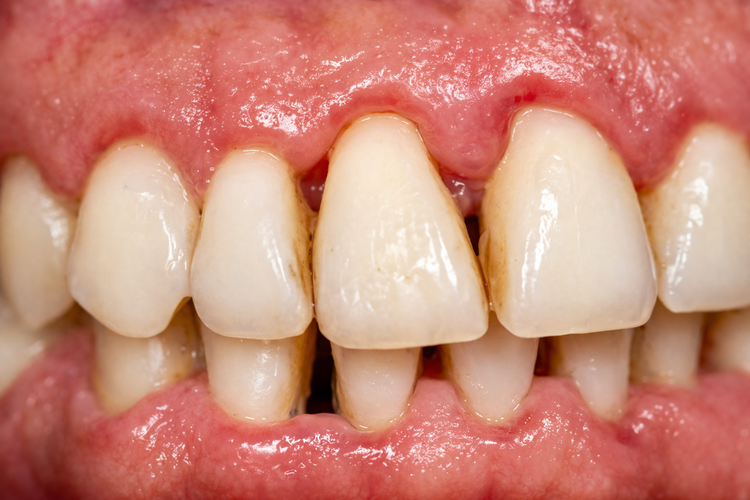
Symptoms: Receding
gums, loose or shifting teeth, persistent bad breath, pus around the
gumline, and discomfort when chewing.
Once the supporting tissues are damaged, the effects are generally
permanent, even though treatment can stop further loss.
Periodontitis is also a recognised risk factor for several systemic
conditions, including cardiovascular disease and poorly controlled diabetes.
Addressing it early matters for both your mouth and your general health.
How Gingivitis Progresses to Periodontitis
Gingivitis progresses to periodontitis when plaque is left undisturbed long
enough to harden into tartar and drive bacteria deeper below the
gumline. The shift is gradual and usually silent, which is why routine dental check-ups are
so important.
The progression generally follows three phases:
-
1Plaque Accumulation
Bacteria multiply along the gumline within hours of brushing, producing toxins that inflame the gum tissue.
-
2Tartar Formation
Over the following days to weeks, plaque that is not removed hardens into tartar, a rough deposit that regular brushing cannot clear and that shelters more bacteria.
-
3Pocket Formation and Bone Loss
As the infection pushes deeper, the gums detach from the teeth, forming pockets. The body's inflammatory response begins to break down bone and connective tissue, marking the transition into periodontitis.
Risk factors that speed up this progression include smoking, uncontrolled diabetes, hormonal changes, certain medications, and a family history of gum disease.
Not everyone with gingivitis will develop periodontitis, but the longer inflammation goes untreated, the greater the likelihood of progression.
WhatsApp Us Now
Treating Gingivitis and Periodontitis
Treatment for gingivitis and periodontitis depends on how far the gum
disease has progressed, with gingivitis typically managed by a
professional cleaning and periodontitis requiring deeper, more targeted care.
The earlier the intervention, the more straightforward the treatment tends to be.
Gingivitis Treatment
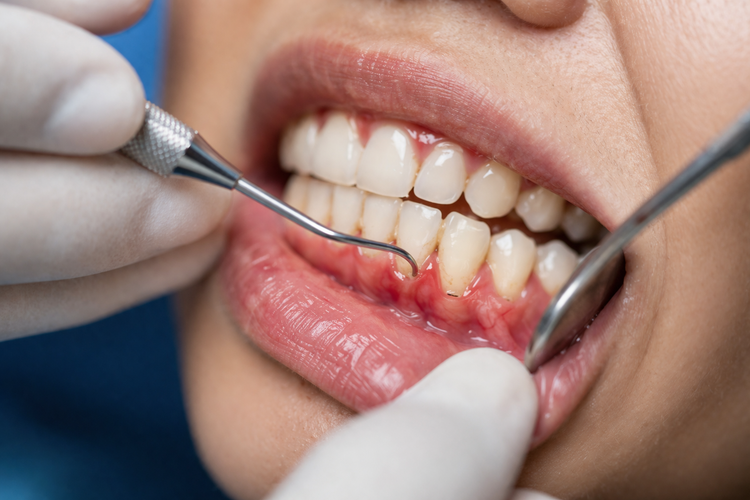
Gingivitis is treated with professional scaling and polishing
combined with improved oral hygiene at home. During the visit,
your dentist or oral health therapist removes plaque and tartar from above
the gumline, then polishes the tooth surfaces to make it harder for plaque
to accumulate.
After scaling, you will generally be advised to brush twice daily with a
soft-bristled toothbrush, floss or use interdental brushes each day, and
return for regular dental check-ups every six months. With consistent care,
inflamed gums often return to a healthy state within a few weeks.
Periodontitis Treatment
Periodontitis is treated with non-surgical root
planing and, in more advanced cases, gum surgery to
access infected areas beneath the gumline. Root planing, sometimes
called deep cleaning, involves smoothing the tooth roots to remove bacterial
deposits from within the gum pockets and encourage the tissue to heal against the
tooth surface.
For deeper pockets or significant bone loss, treatment may extend to:
- Flap surgery to reduce pocket depth and remove bacterial deposits beneath the gums.
- Bone grafting to rebuild areas where periodontal disease has destroyed the supporting bone.
- Guided tissue regeneration to encourage the regrowth of bone and connective tissue.
Ongoing maintenance visits, typically every three to four months, help keep periodontal disease under control and protect the remaining bone.
How to Prevent Gum Disease from Progressing
Preventing gum disease comes down to disrupting plaque daily and catching inflammation before it has time to settle in. Small, consistent habits make a larger difference than occasional deep cleans.
- Brush twice a day for two minutes with fluoride toothpaste, paying attention to the gumline.
- Clean between your teeth every day using floss, interdental brushes, or a water flosser.
- Attend six-monthly check-ups so early signs of inflammation can be addressed before bone loss begins.
- Watch for early signs including swollen gums and receding gums, and book a visit if either appears.
- Manage health conditions such as diabetes, since uncontrolled blood sugar raises your risk of gum infection.
- Avoid smoking, which reduces blood flow to the gums and masks bleeding, a key warning sign.

Gingivitis and periodontitis are stages of the same condition, but the window to reverse things narrows quickly once bone is involved. Spotting bleeding or swollen gums early keeps treatment simple and preserves the tissue you already have.
— Dr Tay Chih Kien
Gingivitis and periodontitis are stages of the same condition, but the window to reverse things narrows quickly once bone is involved. Spotting bleeding or swollen gums early keeps treatment simple and preserves the tissue you already have.
— Dr Tay Chih Kien
Cost of Gum Treatment in Singapore
At True Dental Studio, we provide gum treatments based on the stage of gum disease and the type of care required, with prices as follows:
| Treatment | Price* |
|---|---|
| Consultation | $27.25 to $65.40 |
| Scaling and Polishing | $49.05 to $174.40 |
| Root Planing | $163.50 to $272.50 per quadrant |
| Root Canal | From $708.50 |
| Dental Bone Graft Surgery | From $2,000 |
*Prices are NETT and inclusive of GST.
For other gum-related concerns such as wisdom tooth extraction, see our dental services list.
Eligible individuals may receive CHAS subsidies for certain procedures. Additionally, some dental insurance plans may provide partial or full coverage depending on your policy.
For more information on eligibility, claims, and coverage, please contact us, and our team will be happy to assist you.
Book a Consultation for Your Gum Health
Book Gum Health Consultation
Book NowEnquire More Through Email
Email Us NowEnquire More Through WhatsApp
WhatsApp Us Now
Over 30% of adults feel anxious about dental visits.
Dental visits can indeed be stressful, but at True Dental Studio, we are gentle and patient, committed to helping you feel at ease during your visit.
Dr Tay Chih Kien
Why Choose True Dental Studio?
Friendly Dentist and Team
We treat every patient to the best of our ability. This is why families across Singapore have continued their dental care with us for years.
Minimal Discomfort
We are committed to keeping our patients as comfortable as possible, minimising any discomfort during treatment.
Affordable Treatments
We believe in pricing quality treatments at a competitive rate. We are transparent and upfront with our treatment costs.
Our Smile Scorecard
Frequently Asked Questions
Gingivitis does not turn into periodontitis overnight. The progression is gradual, typically unfolding over weeks to months as plaque hardens into tartar and bacteria push deeper below the gumline. The timeline varies depending on factors such as oral hygiene habits, smoking status, and overall health. Because the shift is usually silent, regular dental check-ups are important for catching early changes before bone loss begins.
Bleeding gums are not always a sign of gum disease, though they are one of the most common early indicators. Other possible causes include brushing too hard, using a new toothbrush, hormonal changes during pregnancy, or certain blood-thinning medications. If your gums bleed regularly when you brush or floss, you should consult a dentist to rule out gingivitis or periodontitis.
Periodontitis does not always cause tooth loss, but it can if left untreated. The condition progressively destroys the bone and connective tissue that support the teeth, and advanced cases may result in teeth becoming loose or needing extraction. With timely treatment such as root planing and ongoing maintenance visits, further bone loss can often be slowed or halted, helping preserve the remaining teeth.
Improved oral hygiene at home, including twice-daily brushing and daily interdental cleaning, can help reduce gum inflammation. However, once plaque hardens into tartar, it cannot be removed by brushing alone and requires professional scaling. A dental visit also confirms whether the condition is still gingivitis or has progressed to periodontitis. For this reason, it is advisable to consult a dentist even if symptoms appear mild.
Gum disease, particularly periodontitis, is associated with several systemic health conditions. Research has identified links between periodontal disease and cardiovascular disease and poorly controlled diabetes. The relationship appears to work both ways. Conditions such as diabetes can increase susceptibility to gum infection, while chronic gum inflammation may contribute to complications elsewhere in the body.
The main difference lies in what the disease affects. Gingivitis causes red, swollen, or bleeding gums but leaves the underlying bone intact. Periodontitis involves deeper symptoms such as receding gums, loose teeth, persistent bad breath, and gum pockets deeper than 4 mm. A dentist can distinguish between the two through a periodontal examination and X-rays, which reveal whether bone loss has occurred. If you notice any of these signs, it is advisable to book a dental check-up.
Gingivitis itself is not contagious, but the bacteria that contribute to gum disease can be transferred through saliva. This does not mean kissing someone with gingivitis will automatically cause you to develop it, as gum disease depends on factors such as your own oral hygiene, immune response, and plaque levels. Maintaining good brushing and flossing habits reduces the likelihood of harmful bacteria gaining a foothold in your mouth.
No mouthwash kills gingivitis on its own, though antiseptic mouthwashes containing chlorhexidine or cetylpyridinium chloride can help reduce bacterial plaque and gum inflammation when used alongside regular brushing and flossing. Chlorhexidine is commonly prescribed by dentists for short-term use, as prolonged use may cause tooth staining. Mouthwash works as a supplement to brushing and flossing, not a replacement. Your dentist can recommend a suitable option based on your needs.
Periodontitis cannot be fully cured because the bone and connective tissue lost to the disease do not regenerate on their own. However, treatment can halt further progression and stabilise the condition. Non-surgical root planing, and in some cases gum surgery or bone grafting, can remove infection and support healing. Ongoing maintenance visits every three to four months are typically needed to keep periodontitis under control long term.
There is no fixed timeline for gingivitis to progress into periodontitis, as the rate depends on individual factors such as oral hygiene, smoking, genetics, and overall health. In some individuals, the transition may take months; in others, it may take years or not occur at all. What remains consistent is that the longer gum inflammation goes untreated, the greater the risk of progression. Regular dental check-ups help detect changes early.
Gingivitis can cause persistent bad breath, known as halitosis, because the bacteria in plaque release sulphur compounds as they break down food particles and tissue. The odour may be noticeable to others, particularly when inflammation is widespread or oral hygiene is inconsistent. However, bad breath alone is not a reliable indicator of gingivitis, as it can stem from other causes. If bad breath persists despite regular brushing and flossing, consider seeing a dentist for further assessment.
It is generally not too late to reverse gingivitis as long as the condition has not progressed to periodontitis. Gingivitis affects only the soft gum tissue and can typically be resolved with professional scaling and improved daily oral hygiene. Once bone loss occurs, the condition is classified as periodontitis, which cannot be fully reversed but can be managed. The sooner you seek treatment, the more straightforward the care tends to be.
No home remedy alone can eliminate gingivitis, but consistent oral hygiene habits form the foundation of treatment. Brushing twice daily with fluoride toothpaste, cleaning between your teeth with floss or interdental brushes, and using an antiseptic mouthwash can help reduce plaque and gum inflammation. However, professional scaling is still needed to remove hardened tartar that brushing cannot clear.
Three common warning signs of periodontal disease are persistent bleeding when brushing or flossing, gums that appear to be pulling away from the teeth, and teeth that feel loose or have shifted position. These signs suggest that inflammation has moved beyond the gum surface and may be affecting the underlying bone. If you notice any of these symptoms, you should consult a dentist promptly for a periodontal assessment.
Sudden onset of gingivitis is often triggered by a change in circumstances rather than a single cause. Common triggers include increased stress, hormonal shifts during pregnancy or menstruation, a new medication that reduces saliva flow, or a lapse in oral hygiene routine. Conditions such as uncontrolled diabetes can also raise your susceptibility to gum inflammation. If you experience symptoms of gingivitis, a dental visit can help identify the underlying cause.
Stage 4 is the most severe classification under the 2017 World Workshop on Periodontal Classification, defined by both the extent of damage and the complexity of care required. At this stage, significant bone loss has occurred, teeth may become very loose or require extraction, and chewing function can be seriously affected. Treatment typically involves a combination of deep cleaning, gum surgery, bone grafting, and long-term maintenance. Tooth replacement options such as dental implants or dentures may also be discussed depending on the extent of tooth loss.
Having periodontitis is not a life sentence. While the bone loss it causes cannot be fully reversed, treatment can halt further damage and help you maintain your remaining teeth for many years. Where teeth have been lost, options such as dental implants or dentures can restore both function and appearance. Many people with periodontitis continue to live comfortably with proper management, including regular maintenance visits and good daily oral hygiene. The key is to begin treatment early and stay consistent with follow-up care.
Periodontitis bacteria are addressed through a combination of professional cleaning and, in some cases, antimicrobial therapy. Root planing removes bacterial deposits from beneath the gumline, while antiseptic mouth rinses or locally applied antibiotics can help reduce remaining bacteria in deep pockets. In more advanced cases, systemic antibiotics may be prescribed alongside surgical treatment. No single product eliminates periodontitis bacteria without professional intervention.
There is no single toothpaste that works for everyone, but fluoride toothpastes formulated for gum health are generally recommended. Some contain active ingredients such as stannous fluoride, which may help reduce plaque and gum inflammation. For periodontitis, your dentist may recommend a toothpaste with higher antibacterial properties or prescribe a chlorhexidine-based gel for short-term use. Toothpaste supports daily care but does not replace professional treatment.
Dental implants are generally not placed while periodontitis is active, as the infection and ongoing bone loss can compromise how well the implant integrates with the jawbone. Periodontitis must first be brought under control through treatment such as root planing or gum surgery. Once the condition is stabilised and sufficient bone remains, or has been restored through grafting, implants may then be considered. Your dentist will assess your suitability after evaluating your periodontal health.
Periodontal disease itself is not directly contagious, but the bacteria associated with it can be transferred between individuals through saliva, such as through kissing or sharing utensils. Whether those bacteria lead to gum disease depends on the recipient's oral hygiene, immune response, and other risk factors. Simply being exposed to the bacteria does not guarantee you will develop periodontitis. Maintaining good oral hygiene and attending regular dental check-ups help reduce your risk.