
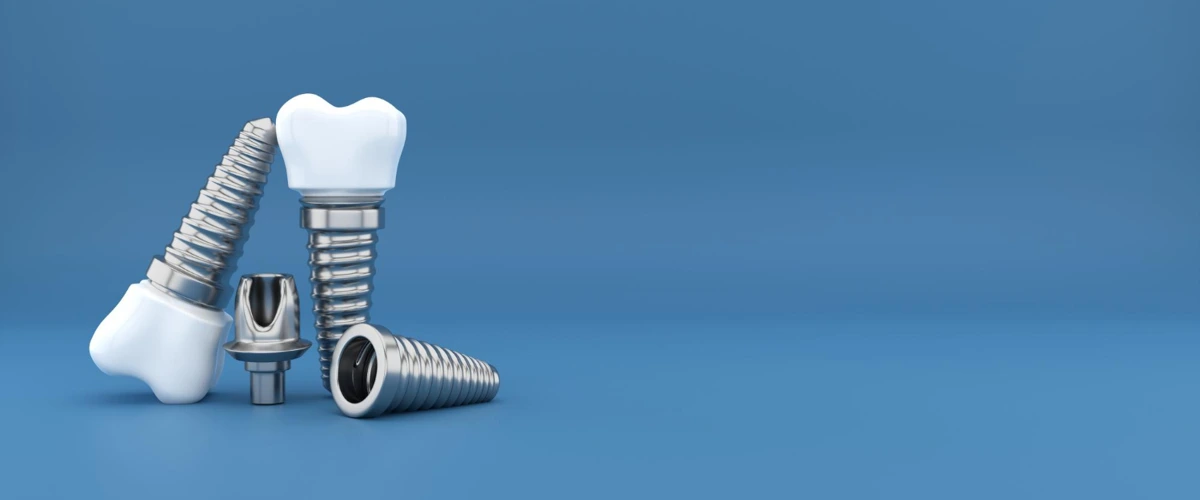
Dental implants are a reliable way to replace missing or damaged teeth, giving you a stable foundation that looks and functions like natural teeth. At True Dental Studio, we plan and carry out implant treatment with close attention to detail, comfort, and long-term function.
Below, we answer some of the most frequently asked questions about dental implants.
WhatsApp Us Now
Can MediSave be used for dental implants?
Yes, you are allowed to. See our MediSave for dental treatments page for the current claim limits.
Is it painful to get a dental implant?
At True Dental Studio, we completely understand some of the pain concerns our patients may have. We aim to minimise any discomfort involved with dental implants.
What are the side effects of a dental implant?
Typical side effects of dental implants can include temporary discomfort, swelling, and bruising around the implant area. These are usually manageable and tend to improve with appropriate care. In uncommon situations, there may be risks of infection or nerve injury.
How much can I claim from MediSave for implants?
Please see our MediSave for dental treatments page for the current claim limit per implant insertion.
How long do dental implants last?
Generally, a dental implant lasts between 10 to 30 years. At True Dental Studio, patients have a choice of either the Straumann dental implant or the Osstem (Hiossen) dental implant.
What is worse: tooth extraction or implant?
Tooth extraction and dental implant are both common procedures. Tooth extraction involves removing a damaged tooth, while a dental implant replaces the missing tooth with a permanent implant. Neither is "worse," but dental implants offer a long-term solution to restore your smile and oral function.
What is better: a bridge or implant?
The choice between a bridge and an implant depends on your specific dental needs. Dental implants offer a permanent solution and preserve neighboring teeth. Bridges are more suitable if adjacent teeth need restoration.
Can implants fail years later?
Yes, dental implants can fail years later due to factors like poor oral hygiene, untreated gum disease, smoking and certain medical conditions. Regular dental check-ups and proper care can help prevent implant failure.
What are the 3 stages of dental implants?
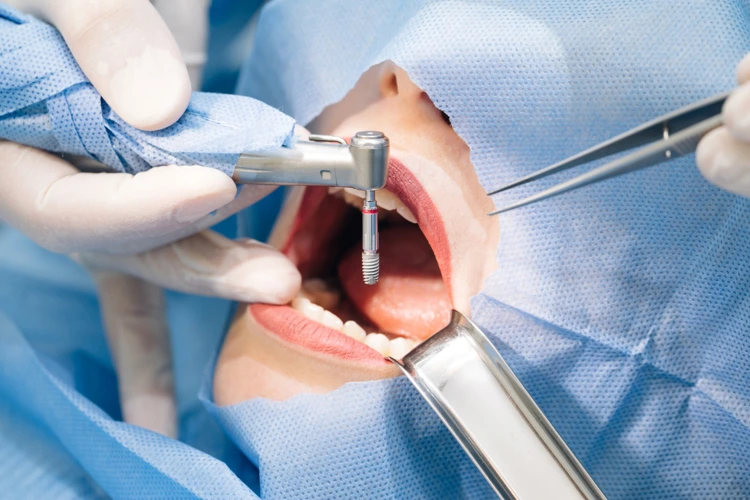

The 3 stages of dental implants are:
- Implant placement: The titanium implant is surgically placed into the jawbone. After placement, you will be given time to heal and for the implant to fuse with your bone.
- Abutment placement: The abutment serves as the connector between the implant and the new artificial tooth (crown). Additional healing time may be needed after the abutment is placed.
- Crown placement: At True Dental Studio, we typically attach a custom-made Zirconia crown to complete the implant restoration due to its aesthetic appeal, durability, biocompatibility, metal-free composition, minimal tooth reduction requirement, corrosion resistance, temperature insulation, and stain resistance. However, depending on individual cases, other crown types might be recommended.
How many dental implants should I get?
The number of dental implants you need depends on your specific case. Typically, one implant replaces one missing tooth. You can consult your dentist to assess your oral health and discuss the right number of implants for your situation.
What is the best age for dental implants?
The best age for dental implants varies based on individual dental health and bone development. Generally, adults who have completed jawbone growth and have good oral health are suitable candidates for dental implants.
Can I get implants if I lose all my teeth?
Yes, you can get dental implants even if you lose all your teeth. Full mouth dental implants provide a stable and natural-looking solution to replace all missing teeth, restoring your smile and oral function.
When should you not get a tooth implant?
You should avoid getting a tooth implant if you have uncontrolled gum disease, insufficient jawbone density, or medical conditions that hinder proper healing.