
Have you ever felt a sudden jolt of pain in a tooth as you bit into your favourite food?
Tooth pain when biting tends to catch you off guard. One moment you are chewing away happily; the next, a single tooth hurts the instant you bite down on it. The pain might be a sharp, quick stab or a dull ache that lingers after the meal is over.
Pain like this rarely improves without treatment, so working out the usual causes can tell you what might be wrong and when it is worth seeing a dentist.
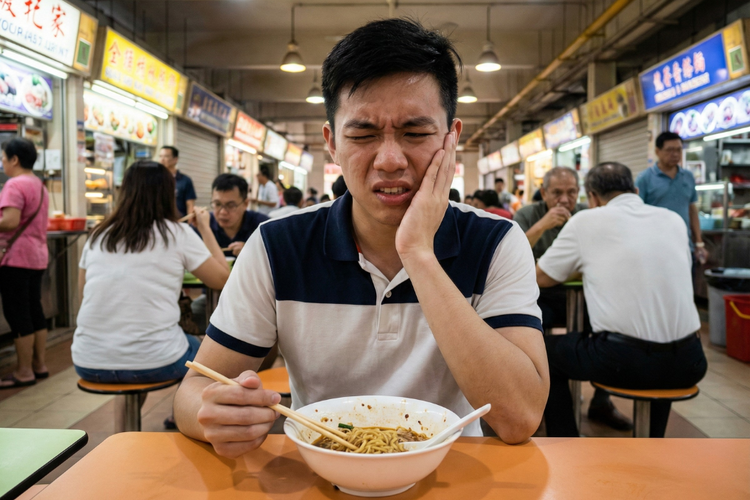
What Can Cause Tooth Pain When Biting Down?
Tooth pain when biting typically results from damage to the tooth
structure, inflammation of surrounding tissues, or pressure on an already
compromised nerve.
Unlike sensitivity to hot or cold, pain triggered specifically by pressure
often points to structural problems such as cracks, failing
restorations, or infection.
Tooth Decay
What it is: Cavities weaken tooth structure and, when deep
enough, allow bacteria to approach the pulp chamber. Biting down compresses
the weakened tooth, transmitting force toward the inflamed nerve.
How it feels: The pain is typically a dull ache that worsens
with sweet foods or temperature changes. Early decay often causes no symptoms
at all, so pain when biting usually indicates the cavity has progressed
significantly.
Diagnosis: X-rays typically reveal decay as a dark shadow
within the tooth structure, while clinical examination may detect soft spots
or visible discolouration on the surface.
Cracked Tooth
What it is: A
crack in the tooth
allows the two sides to flex slightly under biting pressure, irritating the
nerve inside. Cracks range from superficial enamel lines to deep fractures
extending below the gum line.
How it feels: The pain is usually sharp and immediate, fading
once you release the bite. Discomfort often comes and goes unpredictably and
may only occur with certain foods or biting angles.
Diagnosis: Hairline fractures rarely appear on standard
X-rays, making cracked teeth notoriously difficult to identify.
Transillumination, dye staining, or bite tests are often
needed to locate the crack.
Damaged or High Filling
What it is: Fillings and crowns can crack, loosen, or wear
down over time. A restoration sitting even slightly too high disrupts the
bite, concentrating excessive force on one tooth each time you chew.
How it feels: This often produces a bruised sensation that
worsens throughout the day, or sharp pain when biting at a specific angle.
New fillings may also cause temporary sensitivity as the tooth settles,
though pain persisting beyond two weeks warrants reassessment.
Diagnosis: Articulating paper placed between the teeth
reveals high spots in the bite, while visual inspection can identify cracks
or gaps in existing restorations.
Dental Abscess
What it is: An
abscess forms when bacterial infection
creates a pocket of pus at the tooth root or in surrounding gum tissue.
Pressure from biting pushes against this inflamed area, triggering pain.
How it feels: The pain is intense and throbbing, often
radiating to the jaw or ear. Swelling, a persistent bad taste, and sometimes
fever commonly accompany an abscess.
Diagnosis: X-rays often show a dark area at the root tip
indicating infection, and visible swelling or a gum boil near the affected
tooth confirms the diagnosis. Facial swelling, difficulty swallowing, or
fever require same-day dental care.
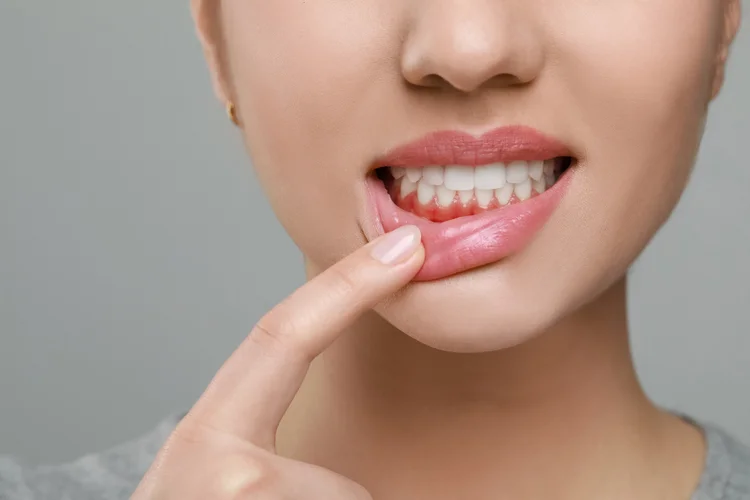
Gum Disease
What it is: Gum (periodontal) disease destroys the
bone and tissue supporting your teeth. As this support weakens, teeth
become slightly mobile and painful under biting forces.
How it feels: Rather than sharp pain in one tooth,
gum disease typically causes generalised tenderness or aching across
several teeth. Bleeding gums, persistent bad breath, and teeth
appearing longer as gums recede are also common signs.
Diagnosis: Gum pocket depth measurements combined
with X-rays reveal the extent of bone loss, while loose teeth or
visible gum recession indicate the disease has reached an advanced
stage.
Periodontal Ligament Inflammation
What it is: Periodontal ligament inflammation occurs when the thin
tissue cushioning the tooth against the jawbone becomes irritated. Trauma, grinding,
or bite imbalance can trigger this inflammation without damaging the tooth itself.
How it feels: The tooth feels tender or bruised, as though
you have been chewing on it too hard. Unlike a cracked tooth, the pain is
consistent rather than sharp and fleeting.
Diagnosis: X-rays typically appear normal because the problem
lies in soft tissue rather than tooth structure. Percussion testing and
ruling out other causes help confirm ligament inflammation.
Bruxism and Temporomandibular Joint (TMJ) Disorders
What it is: Bruxism refers to grinding or clenching your teeth,
particularly during sleep, placing heavy loads on teeth and jaw joints. TMJ disorders affect the joint connecting your jaw to
the skull, causing pain or stiffness. The two conditions often occur together and
can both cause tooth pain when biting.
How it feels: Multiple teeth tend to feel sore in the
morning, with pain that gradually improves through the day. Worn tooth
surfaces, jaw clicking, and headaches upon waking often accompany bruxism.
Diagnosis: Flattened or worn tooth surfaces are telltale
signs of grinding, and a partner may have noticed grinding sounds at night.
Jaw joint examination and questions about stress levels or sleep quality help
confirm the diagnosis.
Sinus Infection
What it is: A sinus infection can cause tooth pain
when inflammation or pressure from the maxillary sinuses radiates to the roots of
nearby upper back teeth. This often mimics dental pain even though the teeth
themselves are healthy.
How it feels: Several upper back teeth ache simultaneously
rather than one specific tooth. Nasal congestion, facial pressure, and pain
that worsens when bending forward typically accompany the discomfort.
Diagnosis: Testing individual teeth helps rule out dental
causes; if teeth respond normally to percussion and temperature, sinus
involvement is likely. A recent cold or allergy flare-up further supports
this diagnosis.
WhatsApp Us Now
Treatment for Tooth Pain When Biting
Treatment for bite-related tooth pain depends on the underlying cause. Common options include:
| Treatment | What It Does | When It's Typically Used |
|---|---|---|
| Fillings or crowns | Removes the decayed or damaged portion of the tooth and rebuilds its structure using composite resin, ceramic, or metal materials | Cavities, cracked teeth, or structural damage |
| Bite adjustment | Reshapes the chewing surface of fillings, crowns, or natural teeth to distribute biting forces evenly across all teeth | High restorations or occlusal imbalance causing uneven pressure |
| Root Canal Therapy | Removes the infected or inflamed pulp tissue inside the tooth, cleans and disinfects the root canals, then seals the space to prevent reinfection | Irreversible nerve inflammation or infection |
| Night Guard | Provides a custom-fitted protective barrier worn during sleep that absorbs grinding forces and reduces strain on teeth and jaw joints | Bruxism or TMJ-related pain |
| Periodontal Treatment | Cleans bacteria and tartar deposits from below the gum line through scaling and root planing, allowing gum tissue to heal and reattach to the tooth | Gum disease affecting tooth support |
| Tooth Extraction | Removes the entire tooth from its socket when it cannot be saved; replacement options such as implants, bridges, or dentures restore function afterwards | Severely decayed, fractured, or loose teeth beyond repair |
Managing Bite-Related Tooth Pain at Home
Several strategies can help manage tooth pain temporarily:
- Take over-the-counter pain relievers such as paracetamol
- Avoid chewing on the affected side
- Stick to softer foods
- Rinse gently with warm salt water to ease gum irritation
- Avoid very hot, cold, or sugary foods if they make symptoms worse
These measures provide temporary relief only and do not address the underlying cause, which may require professional diagnosis and treatment.

When to See a Dentist
You should see a dentist if you experience:
- Tooth pain when biting that lasts more than two days
- Pain that does not improve with painkillers
- Pus draining from the gum near the tooth
Seek urgent dental care if you notice facial swelling, especially if spreading toward your eye or neck, have difficulty breathing or swallowing, or develop a fever alongside the pain.
Book an Appointment for Tooth Pain
Book Dental Appointment
Book NowEnquire More Through Email
Email Us NowEnquire More Through WhatsApp
WhatsApp Us Now
Over 30% of adults feel anxious about dental visits.
Dental visits can indeed be stressful, but at True Dental Studio, we are gentle and patient, committed to helping you feel at ease during your visit.

Dr Tay Chih Kien
Why Choose True Dental Studio?
Friendly Dentist and Team
We treat every patient to the best of our ability. This is why families across Singapore have continued their dental care with us for years.
Minimal Discomfort
We are committed to keeping our patients as comfortable as possible, minimising any discomfort during treatment.
Affordable Treatments
We believe in pricing quality treatments at a competitive rate. We are transparent and upfront with our treatment costs.
Our Smile Scorecard
Frequently Asked Questions
Common treatments for bite-related tooth pain include fillings or crowns for decay, bite adjustment for high restorations, root canal therapy for infected nerves, and periodontal treatment for gum disease. In severe cases, extraction may be necessary. Since the right treatment depends on the underlying cause, it is best to consult your dentist for proper diagnosis before proceeding.
Tooth pain when biting typically results from damage to the tooth structure, inflammation of surrounding tissues, or pressure on a compromised nerve. Common causes include tooth decay, cracked teeth, high or damaged fillings, dental abscesses, gum disease, and grinding habits. Unlike sensitivity to hot or cold, pain triggered specifically by pressure often points to structural problems that require professional assessment.
Natural remedies can help manage tooth pain temporarily but do not address the underlying cause. Rinsing gently with warm salt water may ease gum irritation, while applying a cold compress to the outside of the cheek can reduce swelling and numb discomfort. Over-the-counter pain relievers such as paracetamol also provide short-term relief. If pain persists beyond two days, see a dentist for an evaluation.
Warning signs of a serious toothache include facial swelling, especially if spreading toward the eye or neck, fever accompanying the pain, difficulty swallowing or breathing, pus draining from the gum, and severe pain that does not respond to painkillers. These symptoms may indicate infection requiring prompt dental care.
A cracked tooth typically causes sharp, immediate pain when biting down that fades once you release the bite. The discomfort often comes and goes unpredictably and may only occur with certain foods or biting angles. Unlike decay, cracks rarely appear on standard X-rays, making them difficult to diagnose. If you notice inconsistent sharp pain when chewing, a dental assessment can help confirm the cause.
Yes, cavities can cause pain when biting, particularly when decay has progressed deep enough to approach the nerve. The pain is typically a dull ache rather than sharp, and may also worsen with sweet foods or temperature changes. Early cavities often cause no symptoms at all, so pain when biting usually indicates significant progression that requires treatment.
Common signs of a tooth infection include intense, throbbing pain that may radiate to the jaw or ear, swelling around the affected tooth or face, a persistent bad taste in the mouth, and pus draining from the gum. Fever may also be present. Seek urgent dental care if you notice facial swelling spreading toward your eye or neck, difficulty swallowing or breathing, or fever alongside the pain.
Yes, tooth pain can contribute to headaches, particularly when caused by bruxism or TMJ disorders. Grinding or clenching places sustained pressure on the teeth and jaw joints, often resulting in headaches upon waking. Dental infections and referred pain from upper teeth near the sinuses can also trigger head pain. If you experience recurring headaches alongside tooth pain, a dental evaluation can help identify whether the two are connected.