
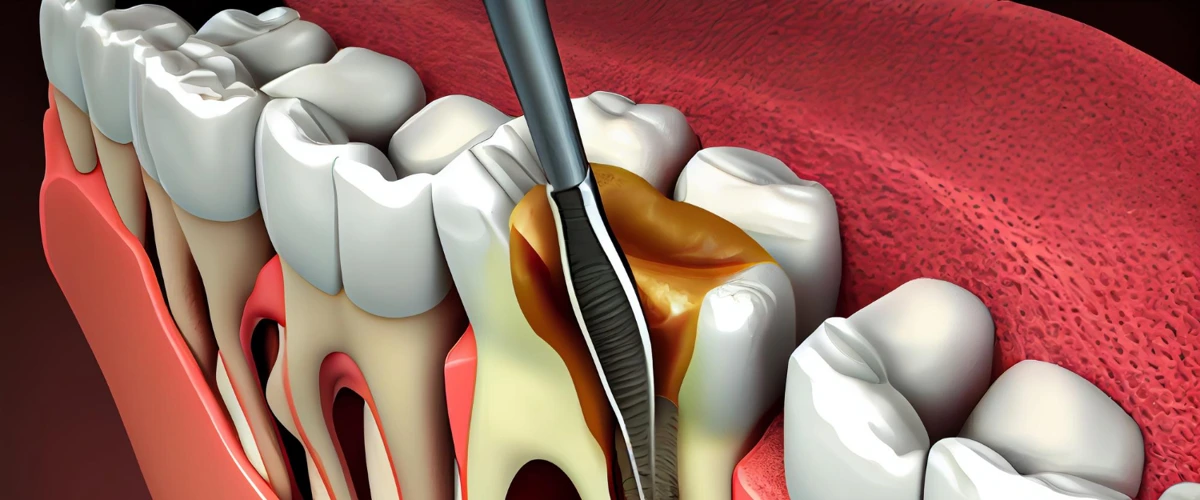
Root canal treatment is a procedure that saves a damaged or infected tooth while easing pain and protecting your oral health. At True Dental Studio, we carry it out with attention to technique and your comfort.
Below, we answer some of the most frequently asked questions about root canal treatment.
WhatsApp Us Now
Is root canal a painful procedure?
Modern root canal procedures are performed with local anaesthesia, making the
process relatively painless. Patients may experience mild discomfort
during the recovery period.
At True Dental Studio, we strive to minimise any discomfort
and make the procedure as comfortable as possible.
How long does a root canal last?
A well-cared-for tooth after a root canal can last a lifetime. However, the crown or filling placed on it might require replacement after 5-15 years depending on wear and care.
What are the 3 stages of root canal treatment?
The 3 stages of root canal treatment are:
- Cleaning: The dentist removes everything inside the infected tooth's root canal, involving the pulp, nerve tissue, and any bacteria.
- Filling: After cleaning and disinfecting, the dentist fills the hollow area with a material called gutta-percha, sealing off the root canal.
- Restoration: Lastly, a crown or filling is placed on the tooth to protect it, restore its function, and improve its appearance.
What are the signs that a root canal is needed?

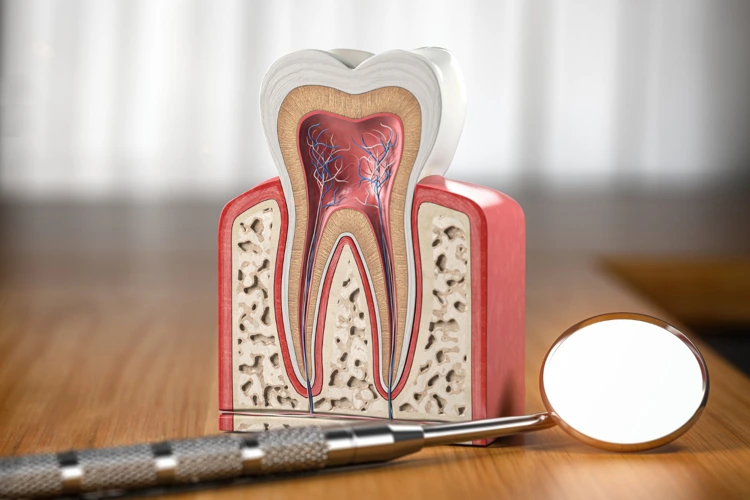
Indicators that you might require a root canal:
- Persistent tooth pain, especially when chewing.
- Sensitivity to hot or cold temperatures.
- Swollen or tender gums near the affected tooth.
- Discolouration or darkening of the tooth.
Is it better to pull a tooth or do a root canal?
This depends on numerous factors like the tooth's condition, your overall health, and personal preference; however, preserving natural teeth through a root canal is usually the first choice over extraction.
Can I eat after a root canal?
After your root canal procedure, the anaesthesia may take 1-2 hours to dissipate.
During this time, it is best to avoid hot foods to prevent unintended burns.
Once the numbing subsides, you are welcome to eat. However, try not to put pressure on
the treated tooth, as it may be temporarily more fragile and sensitive. It is advisable
to wait until the permanent filling or crown is in place before resuming regular eating
habits using that tooth.
Can I get a filling instead of a root canal?
In some cases, a filling can be an option instead of a root canal. Fillings are used
to repair minor cavities, while root canals are needed when the dental pulp is
infected or damaged.
A dental consultation can help to determine the most suitable treatment
for your specific needs.
Why do root canals take 2 visits?
At True Dental Studio, we prioritise the well-being and comfort of our
patients.
Typically, our root canal treatment necessitates up to three
visits to ensure comprehensive cleaning. This phased approach not only allows us to
be meticulous but also provides an opportunity for patients to monitor their
condition between visits. It has been our observation that this method reduces the
likelihood of future complications.
Once the cleaning stage is effectively addressed and the patient's condition is
stabilised, we then proceed with the crowning process, which itself might take two
visits. While it might seem extensive to some, the feedback we've received from our
valued patients is that distributing the treatment over several visits makes the
experience much more manageable and less daunting.
Do I need a crown after a root canal?
After a root canal, it is common to need a crown. A crown helps protect and restore the tooth's strength and appearance.
What is the most painful part of a root canal?
The most painful part of a root canal is usually the period before the procedure when the tooth is infected or inflamed. During the actual root canal, local anaesthesia is used to numb the area, ensuring minimal discomfort.
Why is root canal so expensive?
Root canal treatment may seem expensive because it involves skilled dental expertise, specialised equipment, and multiple visits. However, it saves your natural tooth and prevents further complications. You can avoid costly tooth replacements if your tooth is saved.
Is a root canal a major operation?
A root canal is a common dental procedure, not a major operation. It involves
removing infected or damaged pulp from the tooth to relieve pain and save the
natural tooth.
At True Dental Studio, we strive to make root canal treatment
as pain-free and comfortable as possible.
Why do I suddenly need a root canal?
A sudden need for a root canal may arise due to deep tooth decay, a cracked or fractured tooth, or an infection that has reached the tooth's pulp. Prompt treatment is essential to save the tooth and alleviate pain.
What happens if you don't get a root canal?
The infection can spread from the infected tooth, causing severe pain, abscess formation and potential tooth loss. Seeking timely treatment is crucial to save the tooth and to prevent further complications.